Unattached No More: Rodman’s USWNT Captaincy Test in 6-0 win over Paraguay
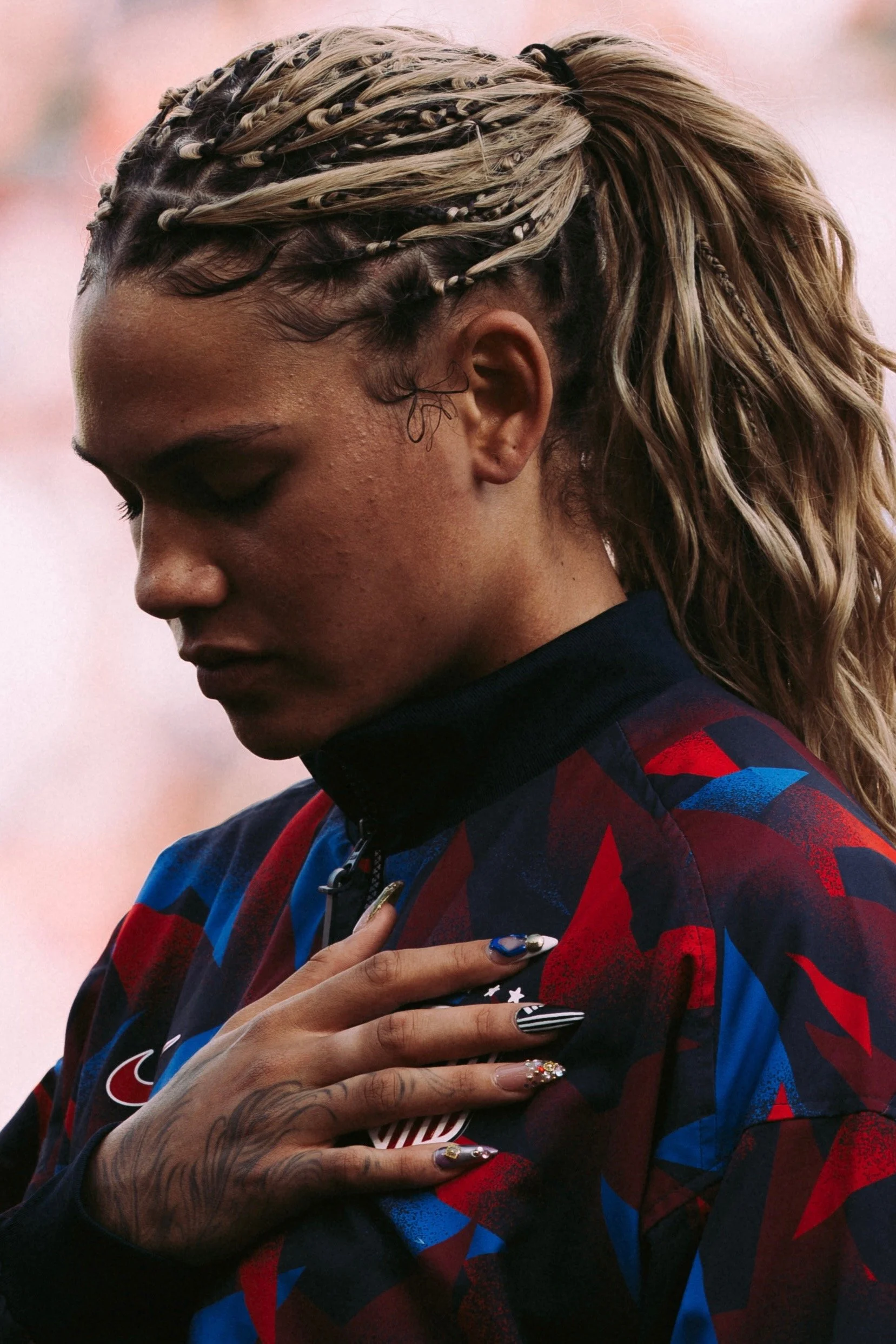
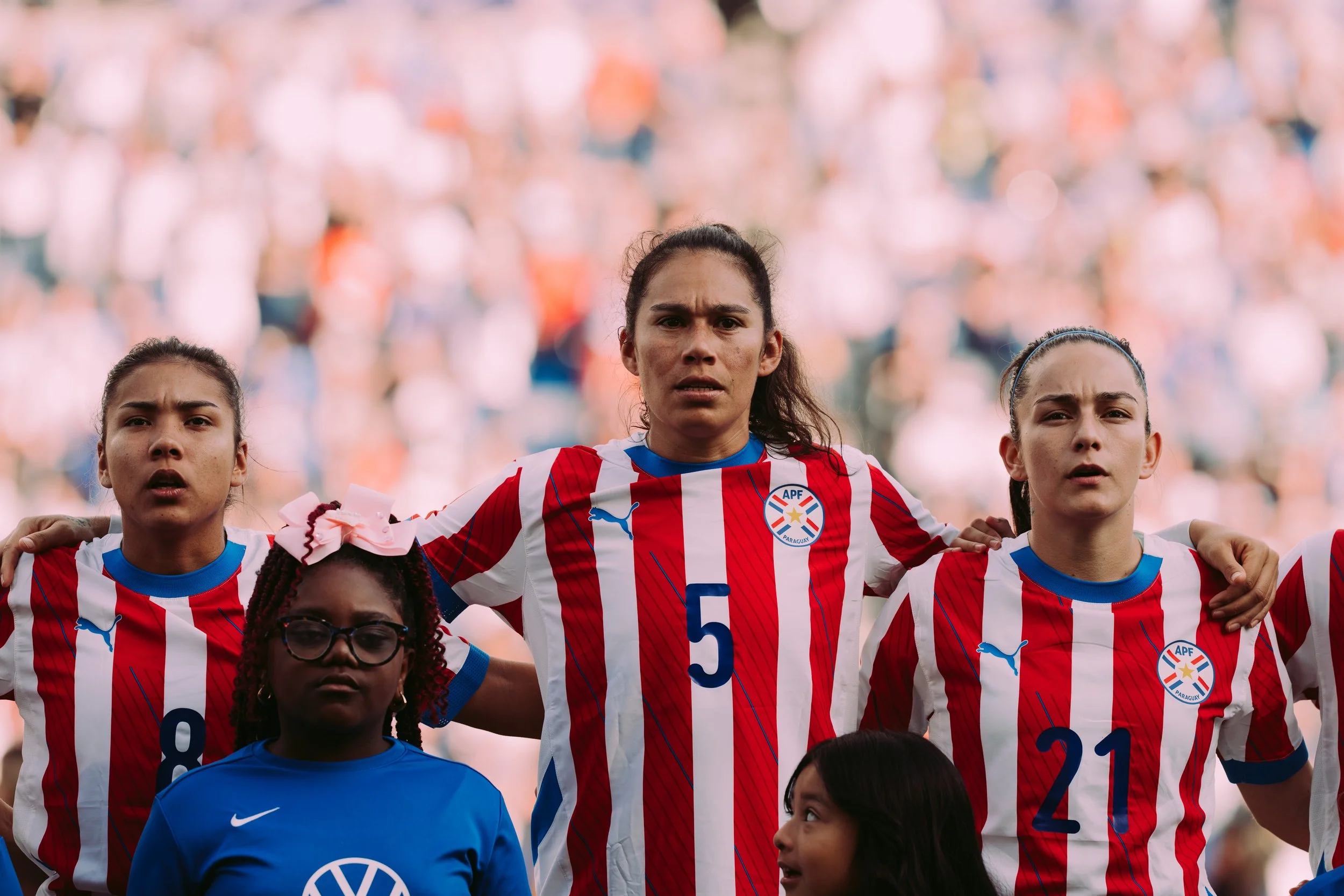
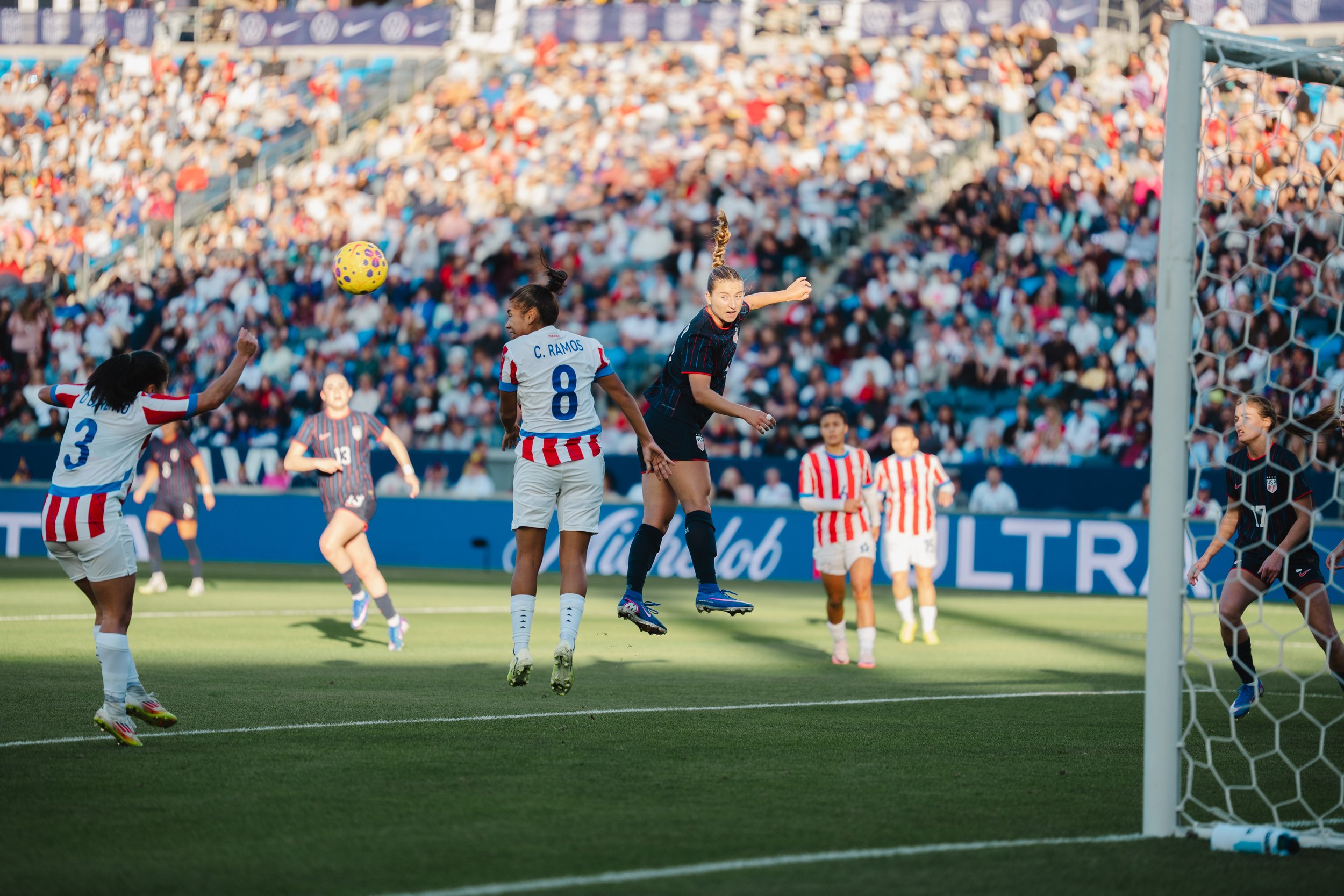
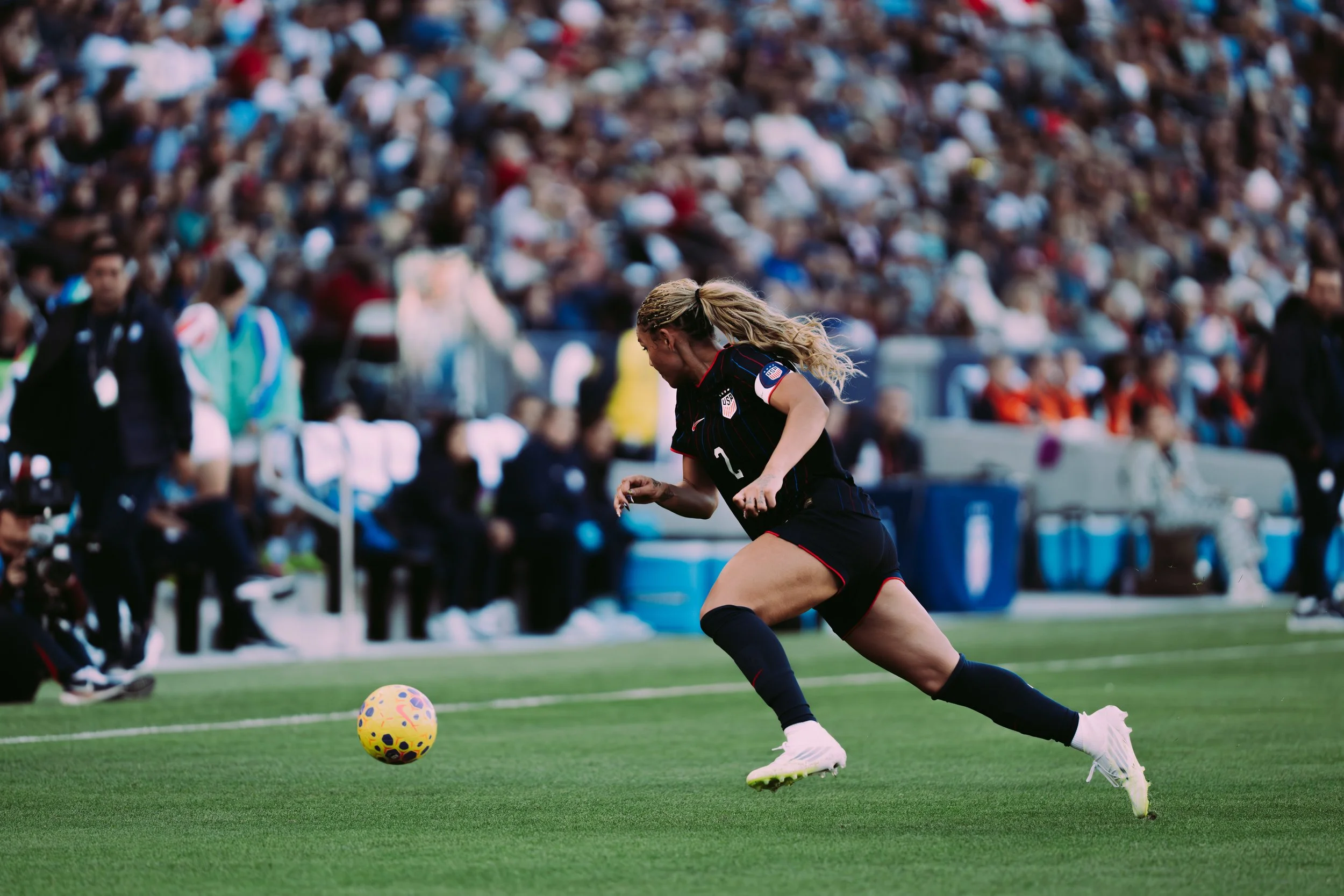
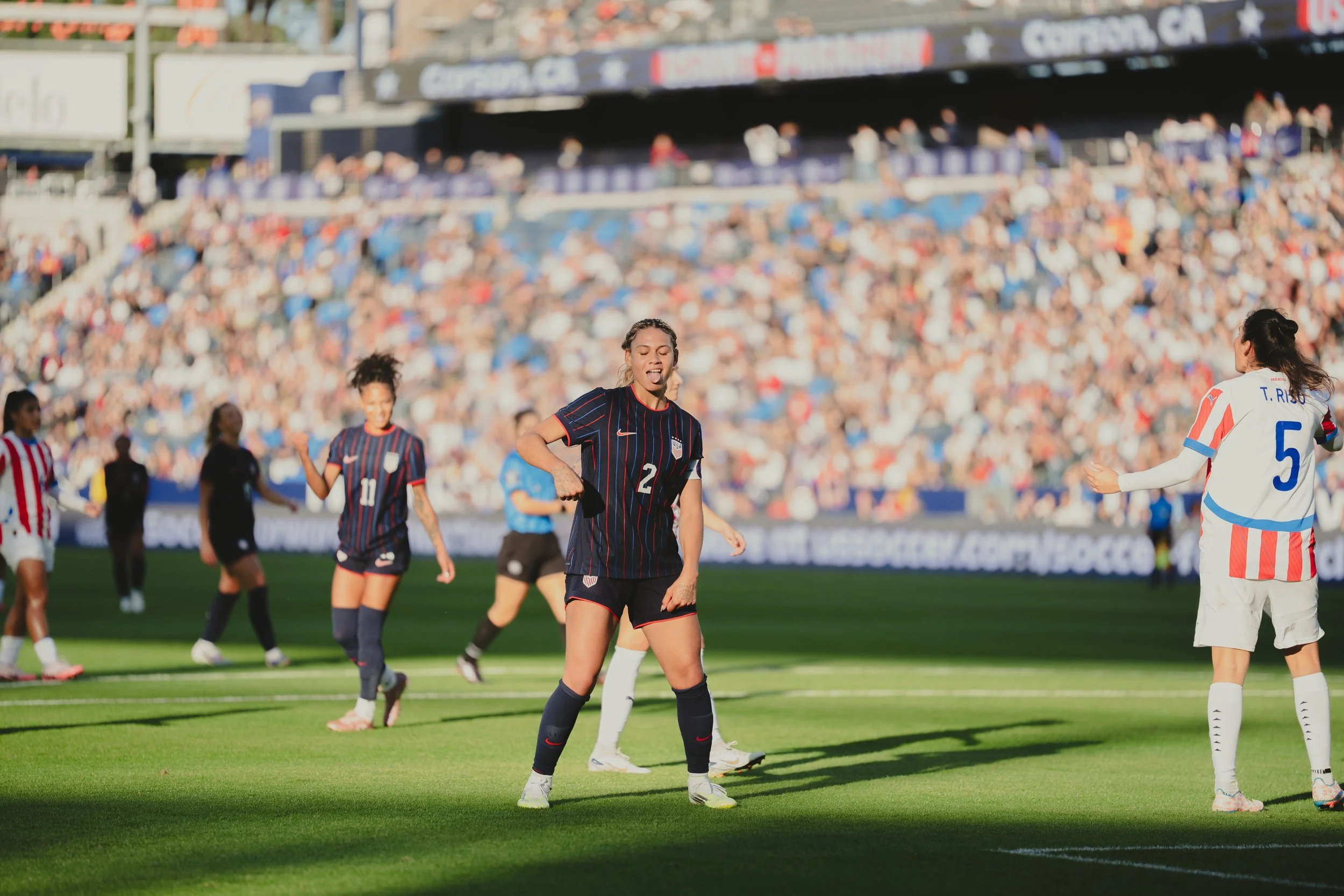
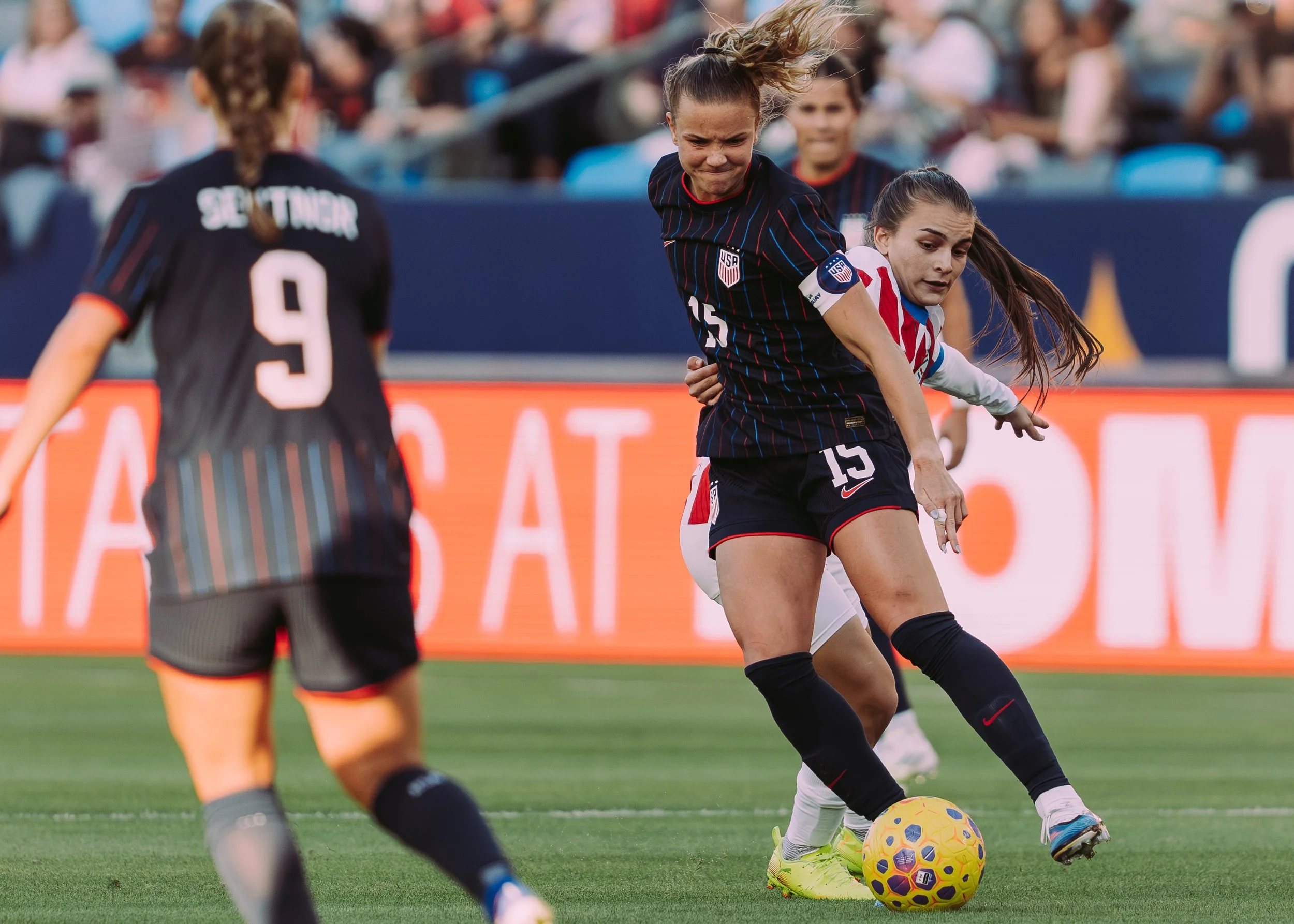
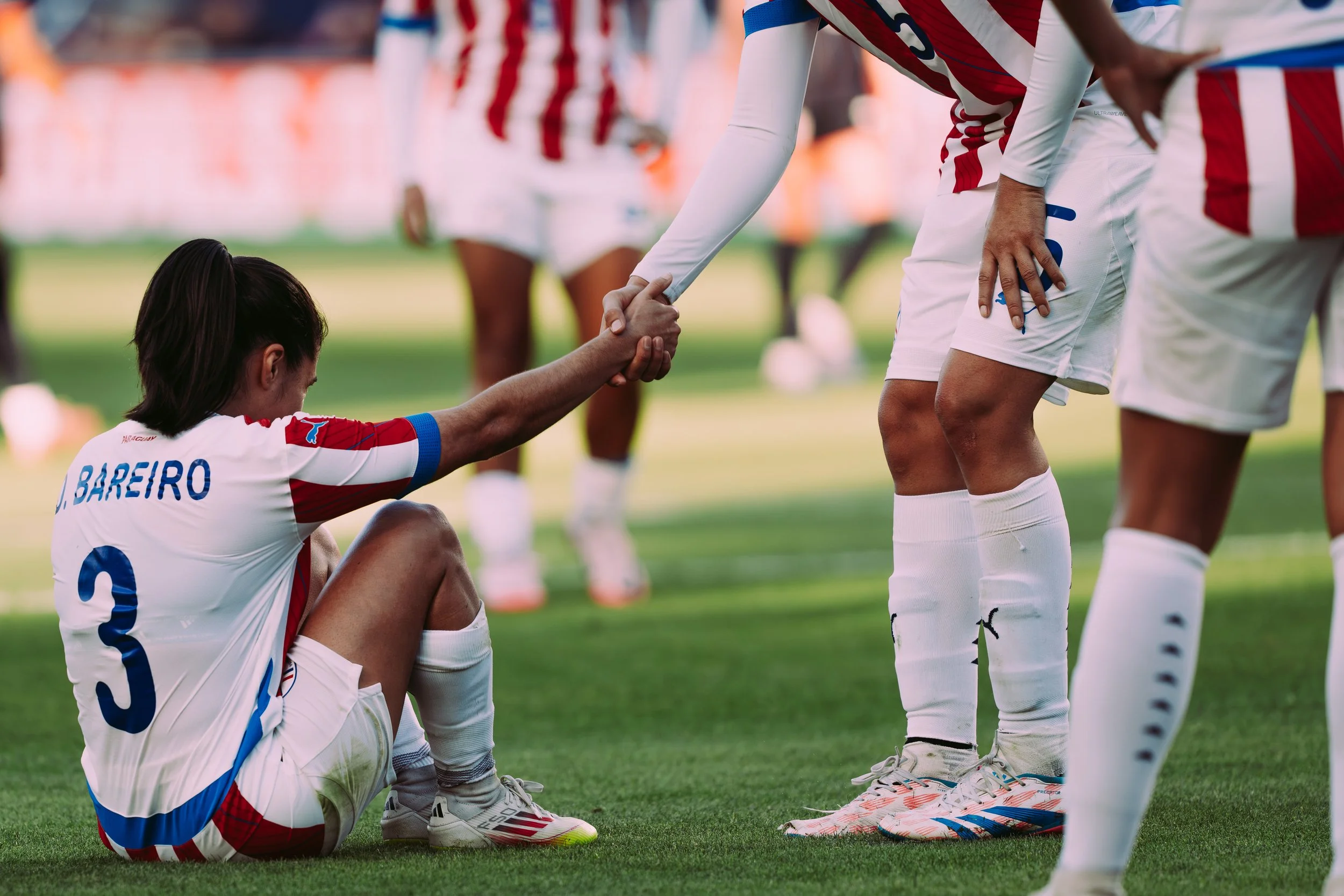
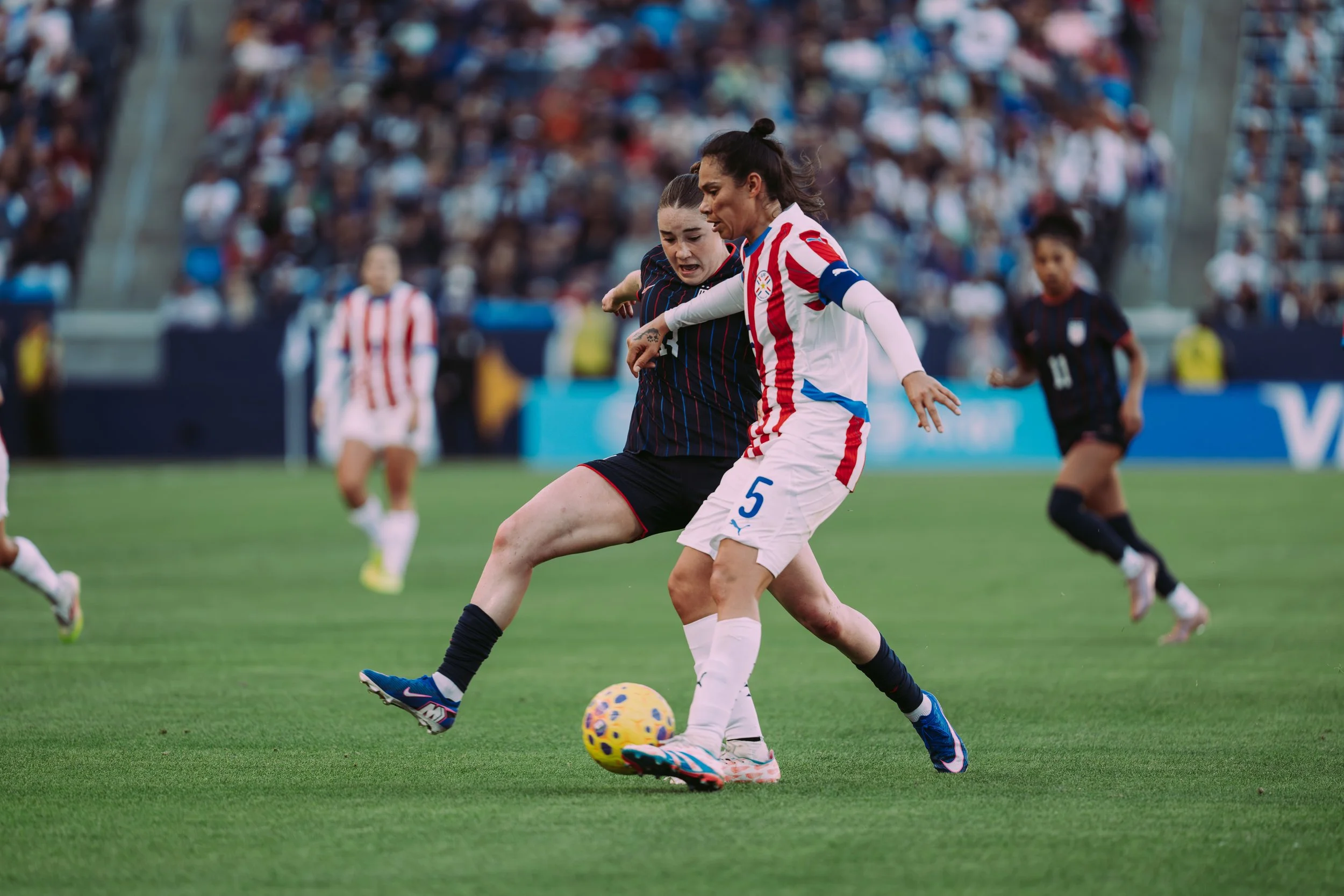
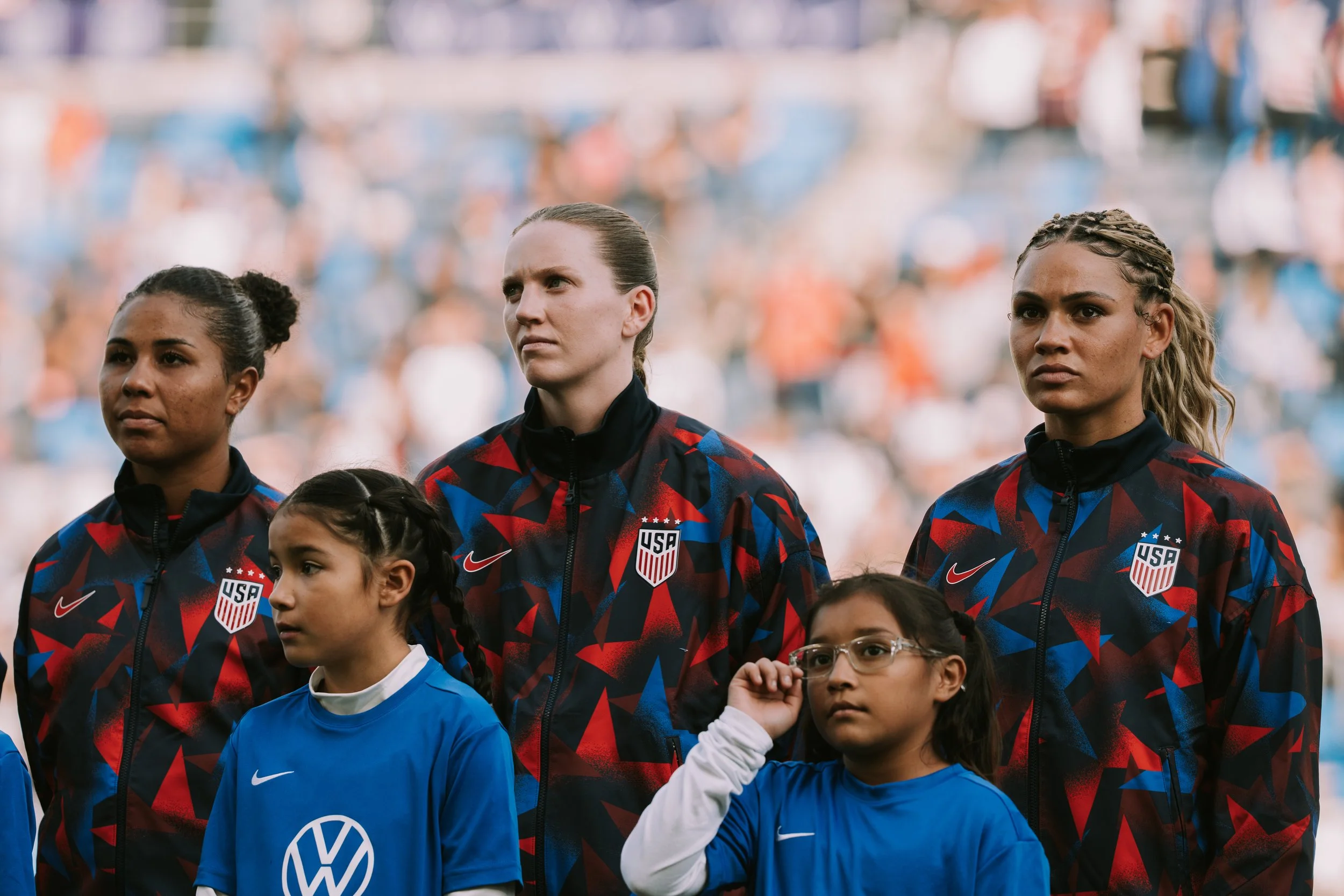
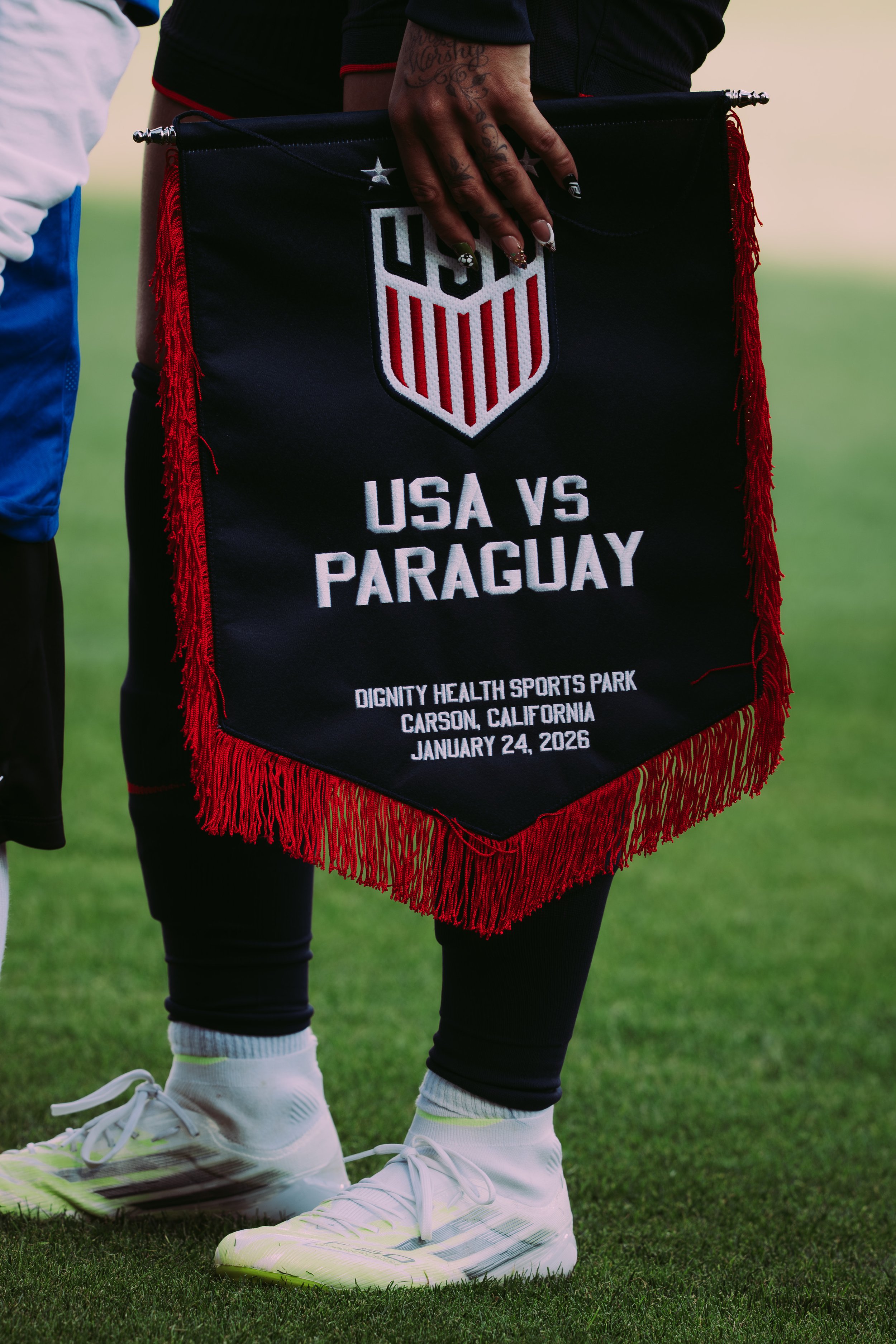
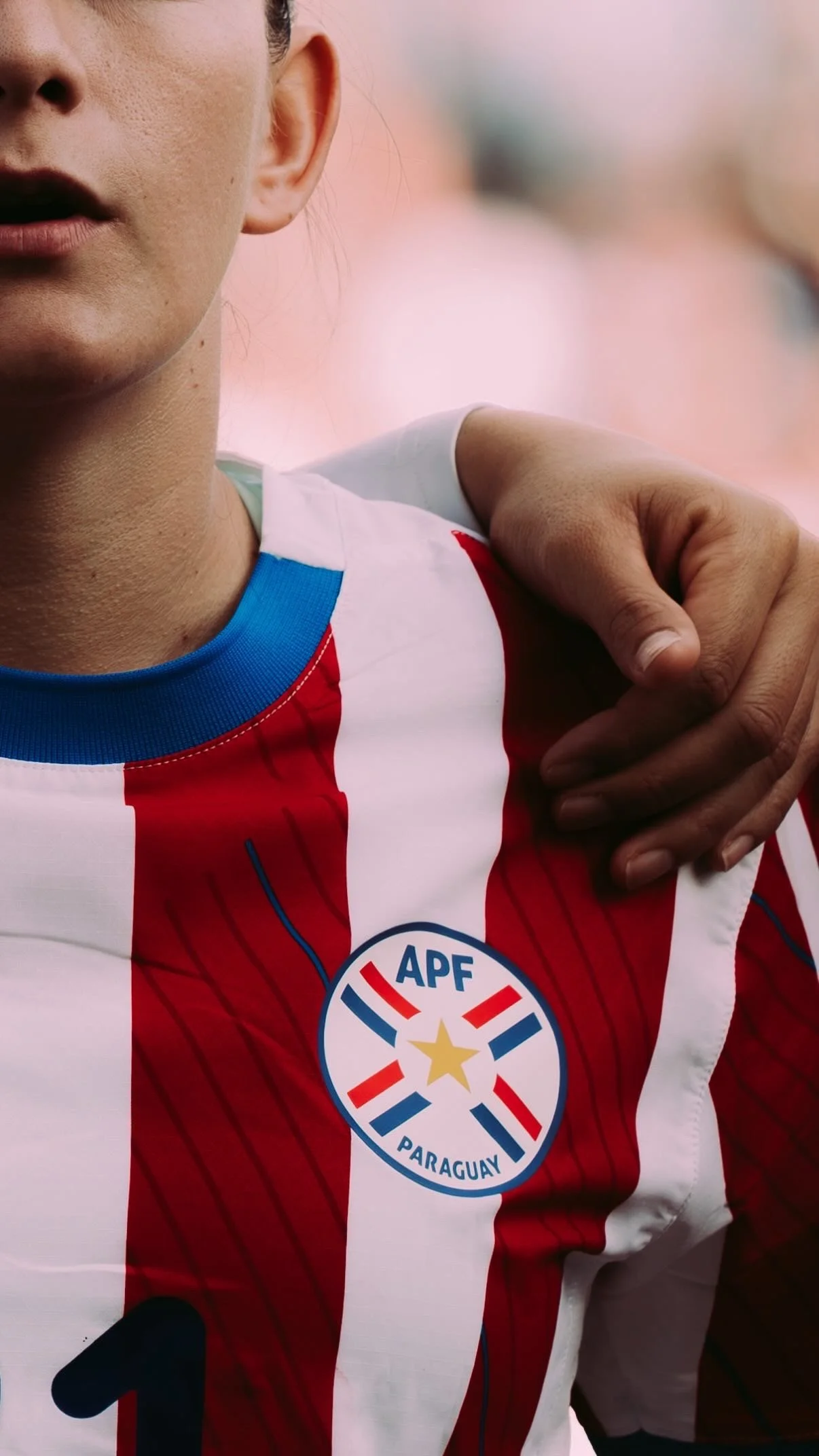
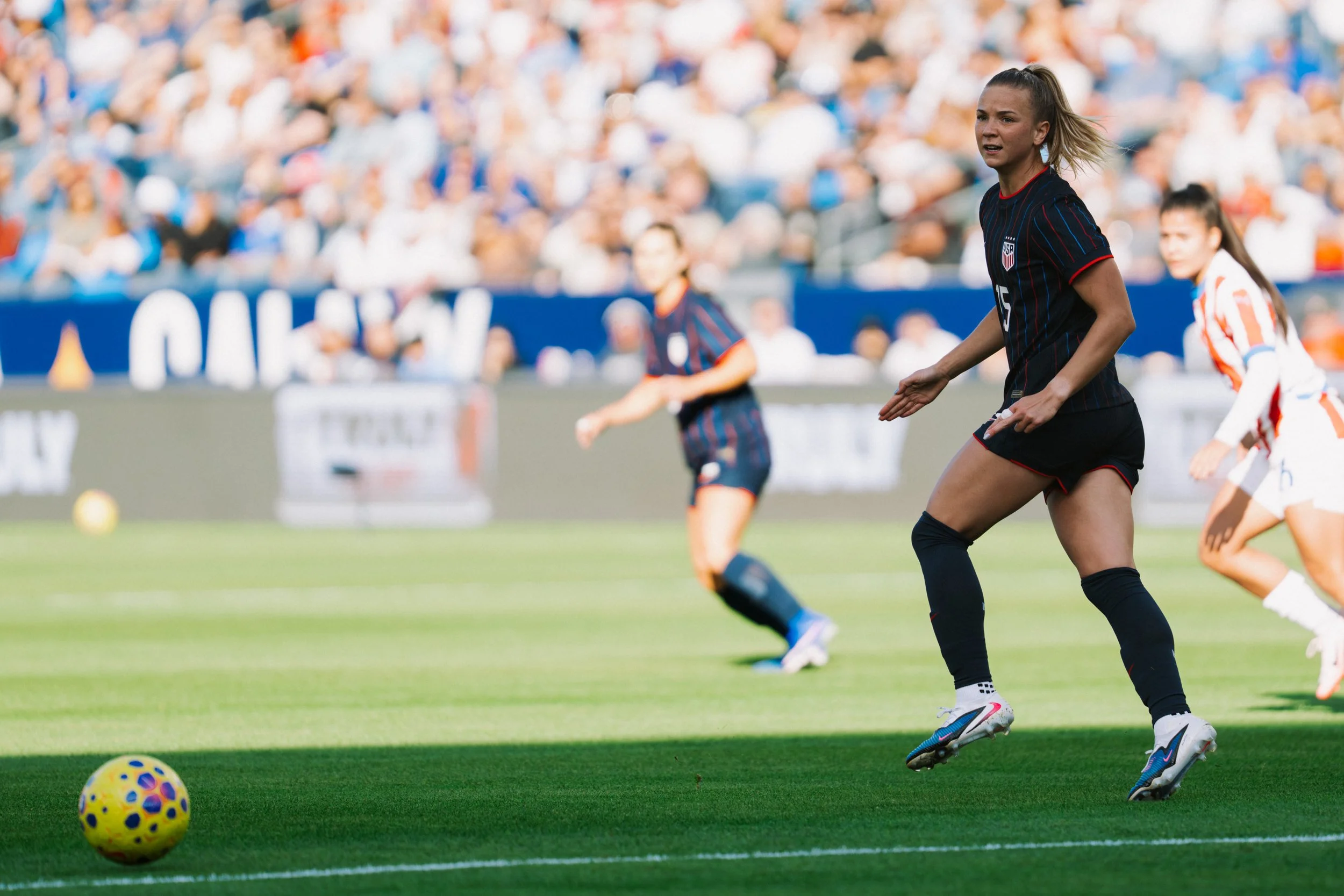
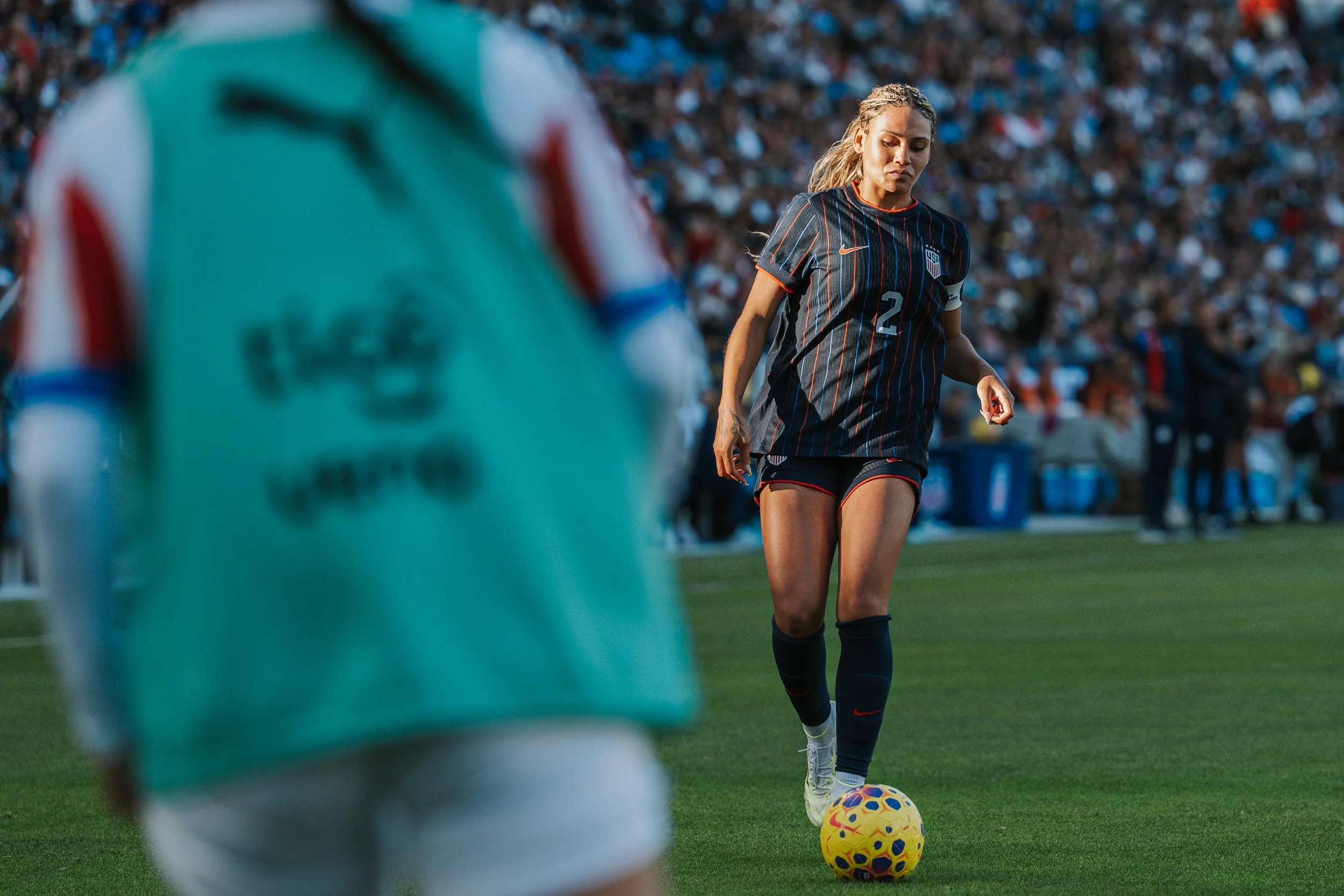
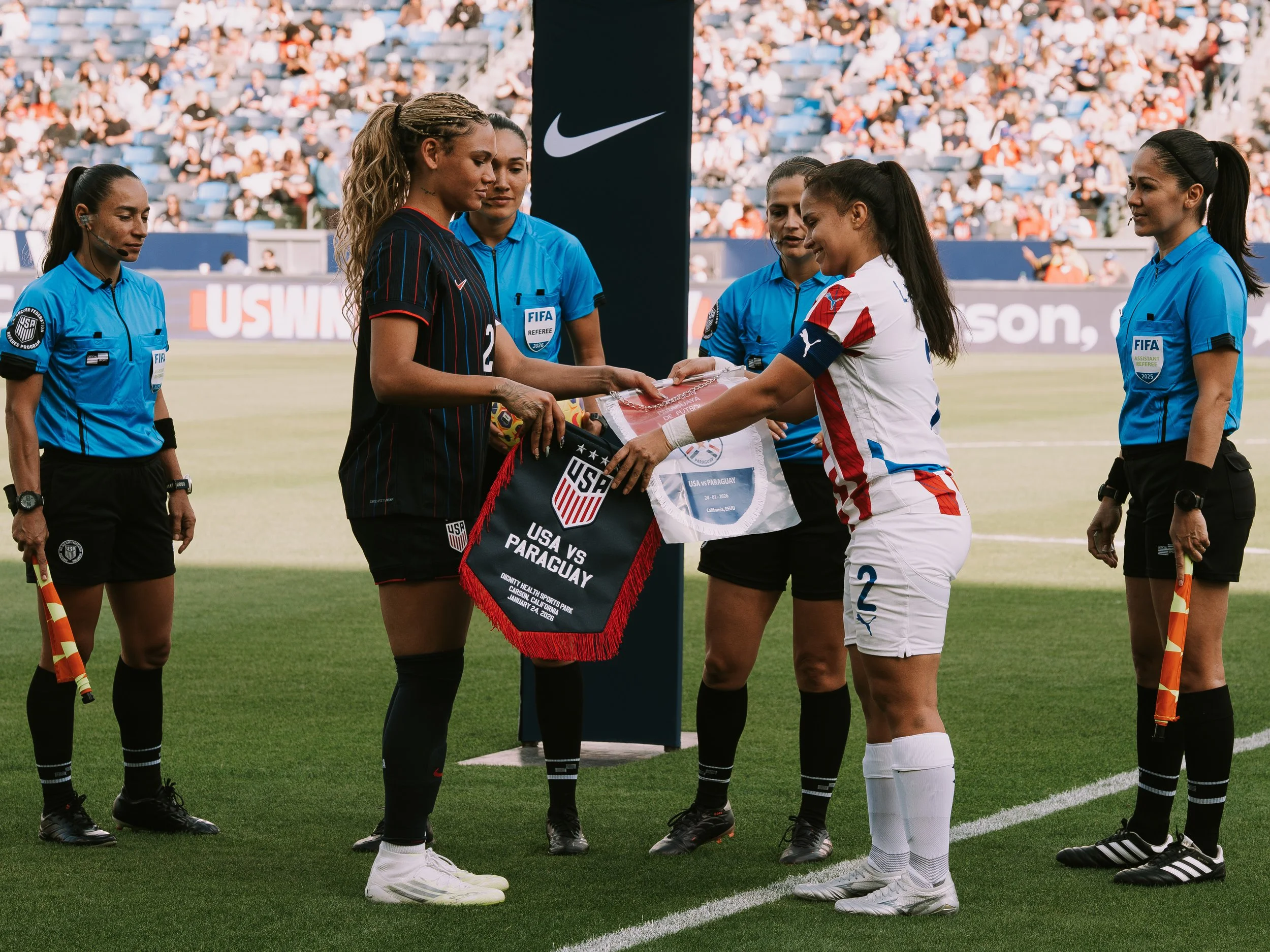
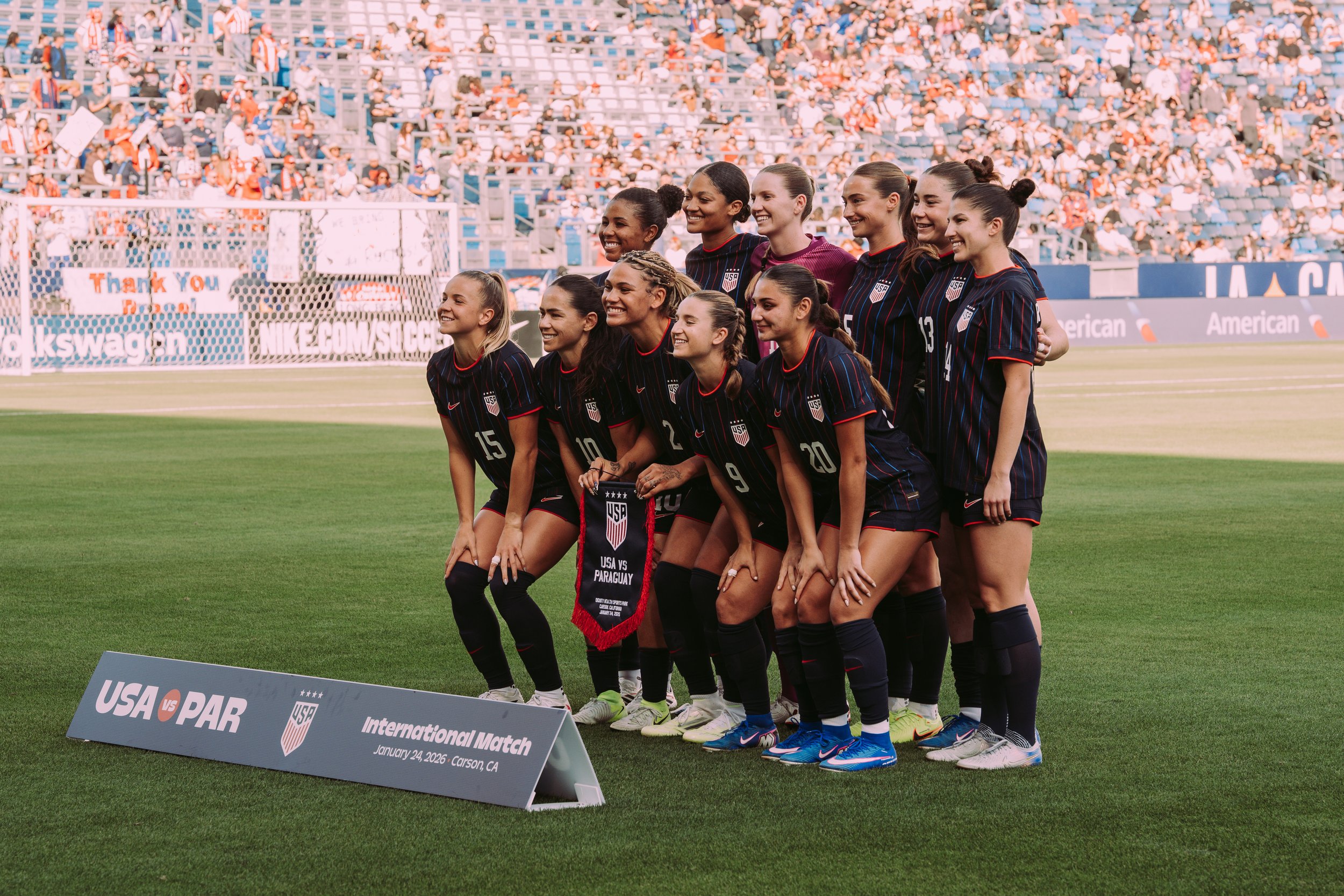
In the span of a week, Trinity Rodman went from “unattached” to undeniable. What began as a roster label that invited speculation ended as something far more concrete: the captain’s armband, handed to her in Carson as both responsibility and recognition. In a January camp shaped as much by who couldn’t be here as who could, the U.S. wasn’t just asking its most electric available attacker to tilt the field—it was asking her to steer the moment, and to step into the kind of prominence that doesn’t wait for permission.
And the way the U.S. wrote that week into the match was telling. On the lineup card, Rodman wasn’t labeled as a forward at all — she was listed as a midfielder, captain’s mark beside her name, positioned less like a wide sprinter waiting to be released and more like a player expected to make sense of traffic. Emma Hayes didn’t just elevate Rodman’s status; she pulled her closer to the decisions, closer to the connective tissue of the game, closer to the responsibility that comes when you’re no longer treated as a weapon to be deployed but a reference point everyone else can read.
That framing matters because this wasn’t a typical camp. January exists in the seams of the calendar, shaped by availability and obligations elsewhere, a roster built as much from circumstance as choice. The U.S. came into Carson without the full cast that usually defines its identity, and that absence didn’t weaken the story — it clarified it. When a team can’t lean on its most familiar combinations, it has to reveal what it values: who it trusts to organize chaos, who it expects to lead when the easy answers aren’t present.
Rodman’s captaincy landed, then, as both a reward and a stress test. It was recognition of what she already is — the rare American attacker who can manufacture advantage in a single dribble — and a public challenge to become something broader: the player who steadies the group when the match tilts, who sets the emotional temperature, who decides when to accelerate and when to keep the game from splintering. That’s the quiet shift Hayes has been signaling since she arrived: responsibility before results, leadership as something you practice in real situations, not something you inherit when the roster finally looks familiar again.
It also landed at the exact moment Rodman’s club future snapped into focus. The “unattached” tag was never a reflection of her importance — it was a vacuum that invites projection. Once she re-committed to Washington, the noise didn’t disappear so much as it changed shape: no longer uncertainty, but expectation. In a league still fighting for retention leverage and global respect, her decision read like a marker planted in the ground. The captaincy that followed with the national team felt less coincidental than coordinated — not in a transactional sense, but in the way narratives align when a player is stepping into the prime of her power. (Hayes called Rodman staying in Washington a win for both the NWSL and the national team, saying that knowing she’ll be “settled and happy” is a benefit because “happiness and what they want is of the highest order.”) https://www.espn.co.uk/football/story/_/id/47706820/rodman-new-deal-win-nwsl-uswnt
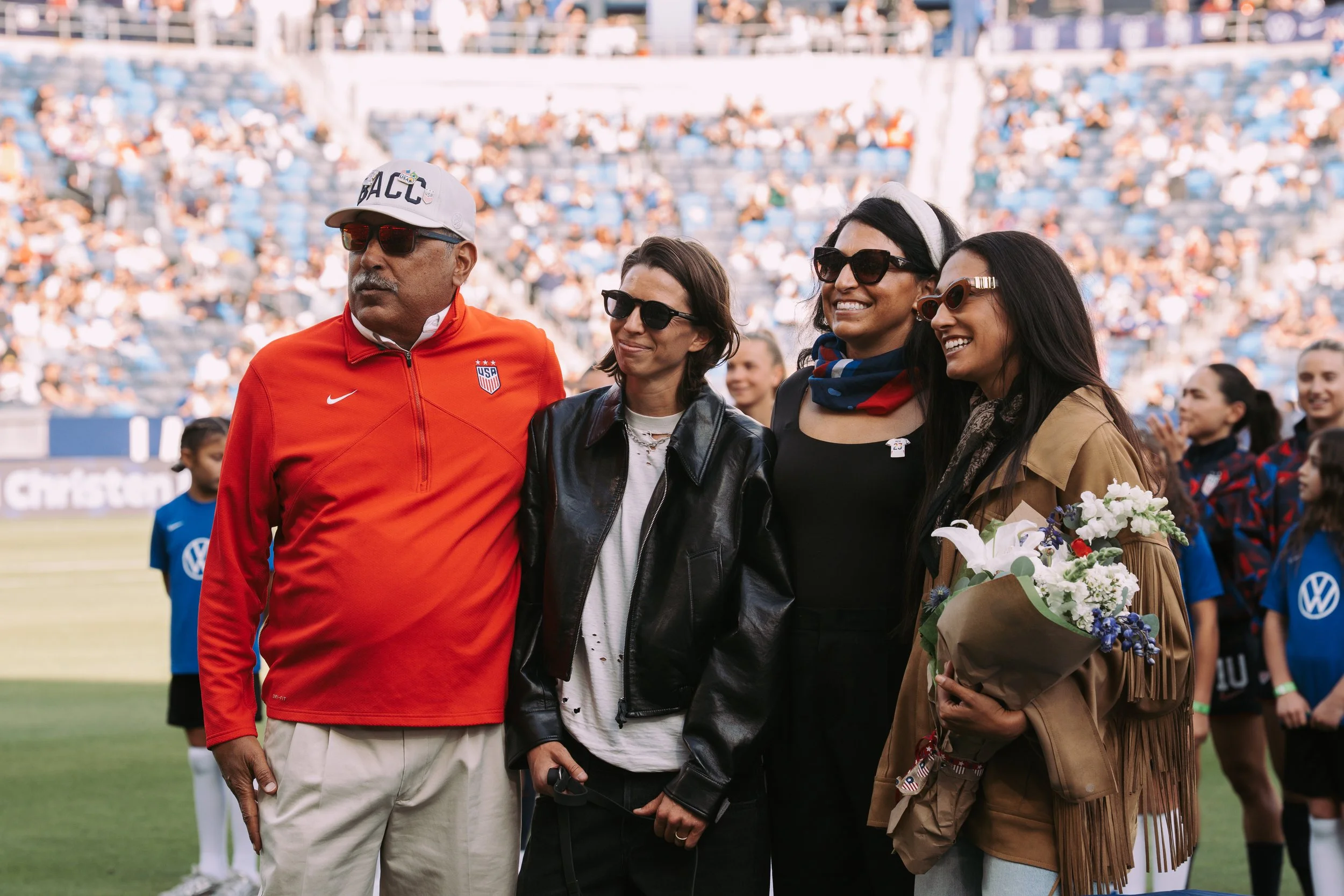
And then, before the ball even rolled, the afternoon widened to include the past. Christen Press’ retirement ceremony didn’t compete with Rodman’s moment; it deepened it. Press has always represented more than goals: a certain elegance, a certain audacity, a certain insistence that women’s football could be both ruthless and beautiful. Honoring her here, in this match, with this roster, created a clean line through the program’s story — not a handoff, not a replacement, but continuity. The standard doesn’t vanish when an era ends; it gets carried forward in new shapes, by new players, under new pressure. https://ussoccer.com/stories/2026/01/five-best-moments-christen-press-historic-uswnt-career
And if this group has anything to say about it, they won’t just show up. They’ll belong.
That is exactly why the context around this roster matters. This camp sat outside the usual international window, and the absences were real: no European-based players midseason, and no Gotham FC group either, with Gotham preparing for the final stage of the Women’s Champions Cup. The point wasn’t to explain anything away. The point was to force the next layer into the light. https://www.washingtonpost.com/sports/2026/01/24/uswnt-paraguay-trinity-rodman-captain/
So the first half felt like a test in the way tests usually do — less about flashes, more about whether the group could build coherence without the usual shortcuts. Hayes had flagged McGlynn’s camp as excellent, and you could feel why she was a focal point: this was a day to be steady, clean, unbothered. Rodriguez, given the left-side opportunity you noted, played with the kind of urgency that suggests she understood the assignment: not just to defend, but to contribute to a front-foot identity.
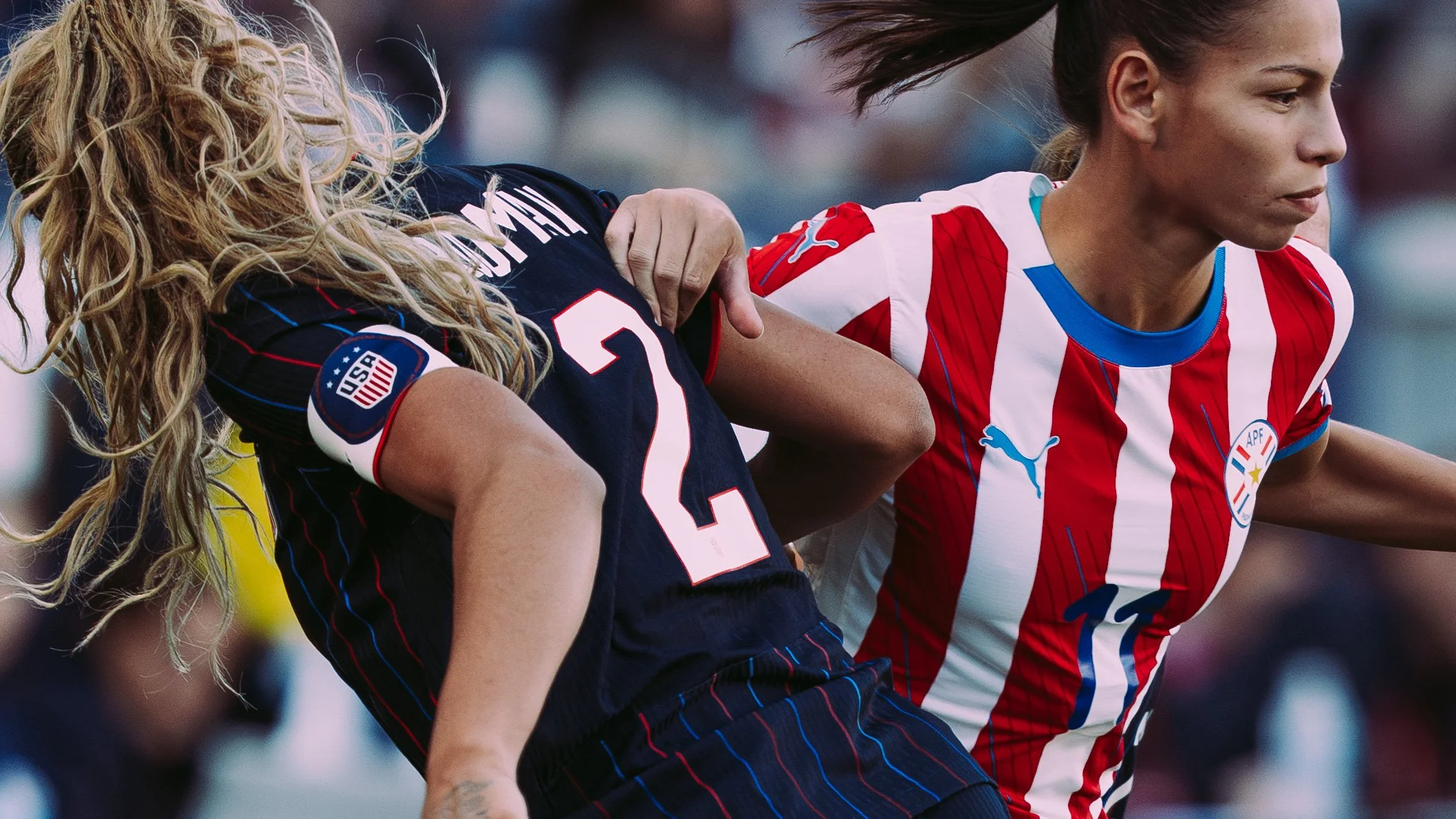
Paraguay, ranked 46th, didn’t arrive to play small. They stepped into a higher line than many teams would risk, and for stretches they defended stoutly enough to make the U.S. think twice, then think again. Early, though, the U.S. found the seam it wanted: Rodman bursting up the right and connecting with Gisele Thompson on an overlap — a quick early clue that Hayes wasn’t treating the outside backs as accessories, but as active participants in the attack. And Turner made herself felt immediately, carving out two big chances that had the stadium leaning forward before the game had even settled.
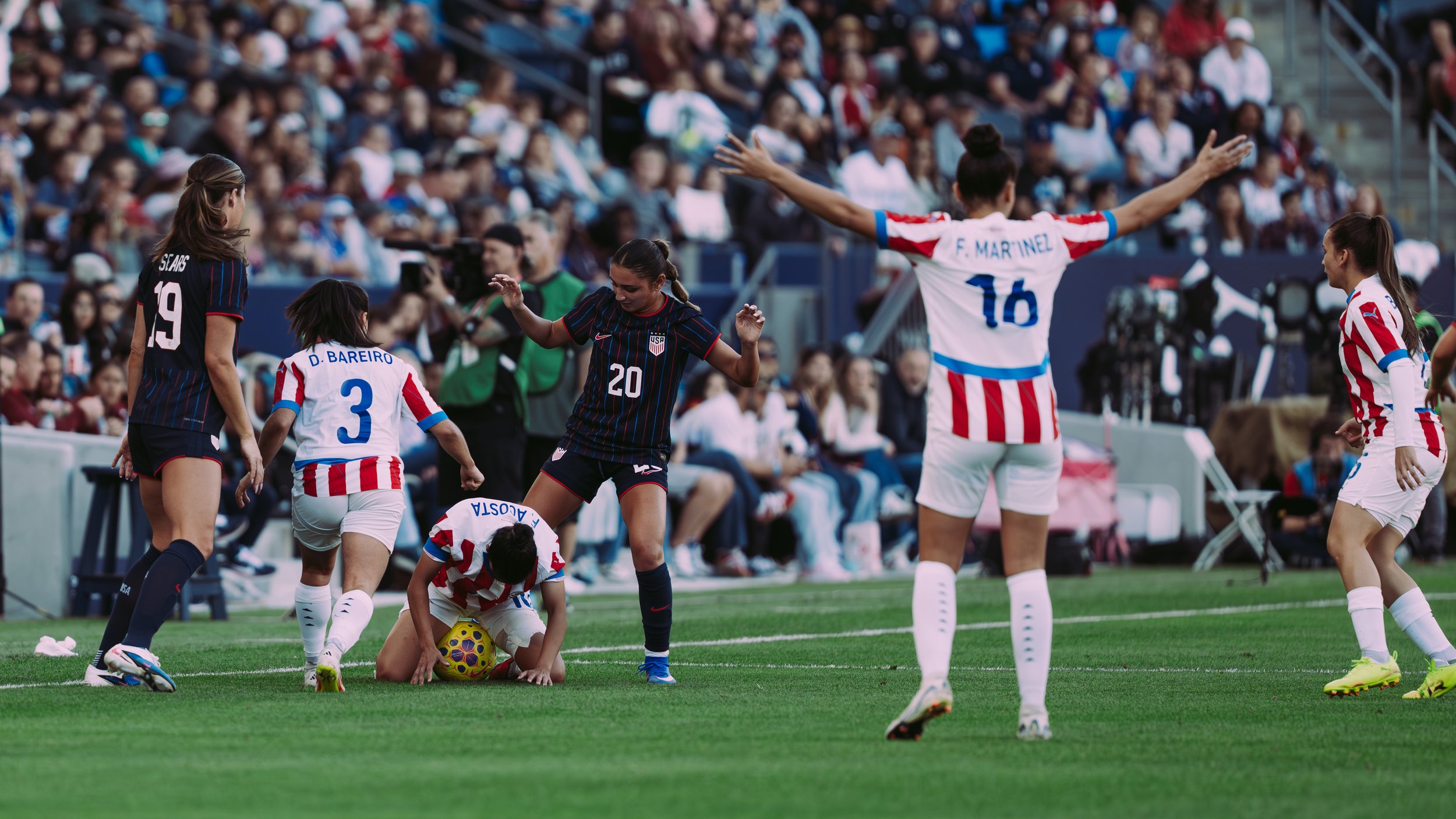
Then came the lull you captured at 26 minutes — that familiar January fog where the U.S. can own the ball and still feel slow. The decisions arrived late; the final action arrived a beat after it should have; Paraguay’s shape stayed compact and stubborn enough to turn promising sequences into near-misses. The match felt like it was waiting for someone to stop narrating and start declaring.
Turner did, right on schedule. In first-half stoppage time (45’+3), she scored her debut goal to break the game open, and it mattered not just because it put the U.S. ahead, but because it validated the entire premise of this camp: young players weren’t here to be placeholders. They were here to take something.
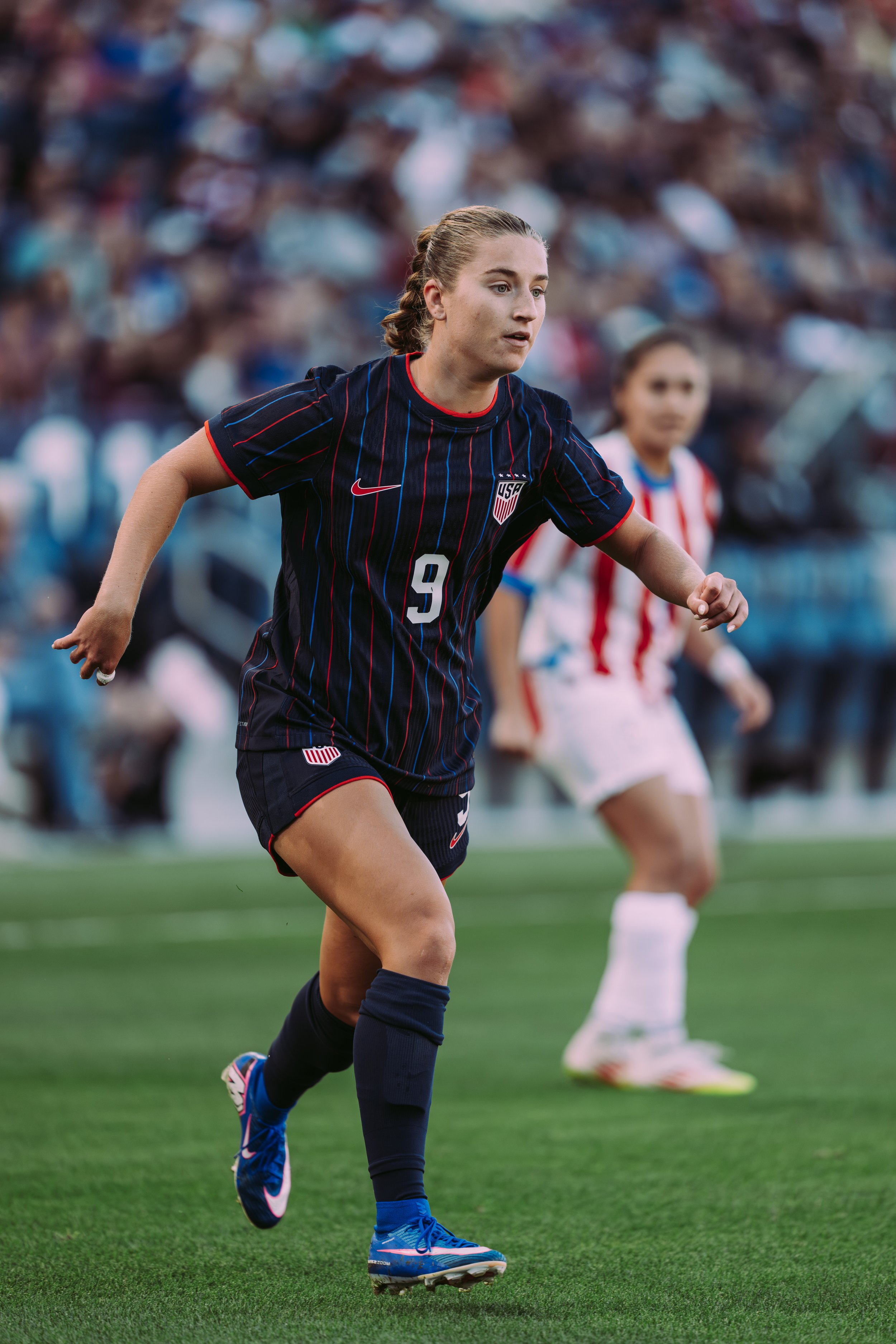
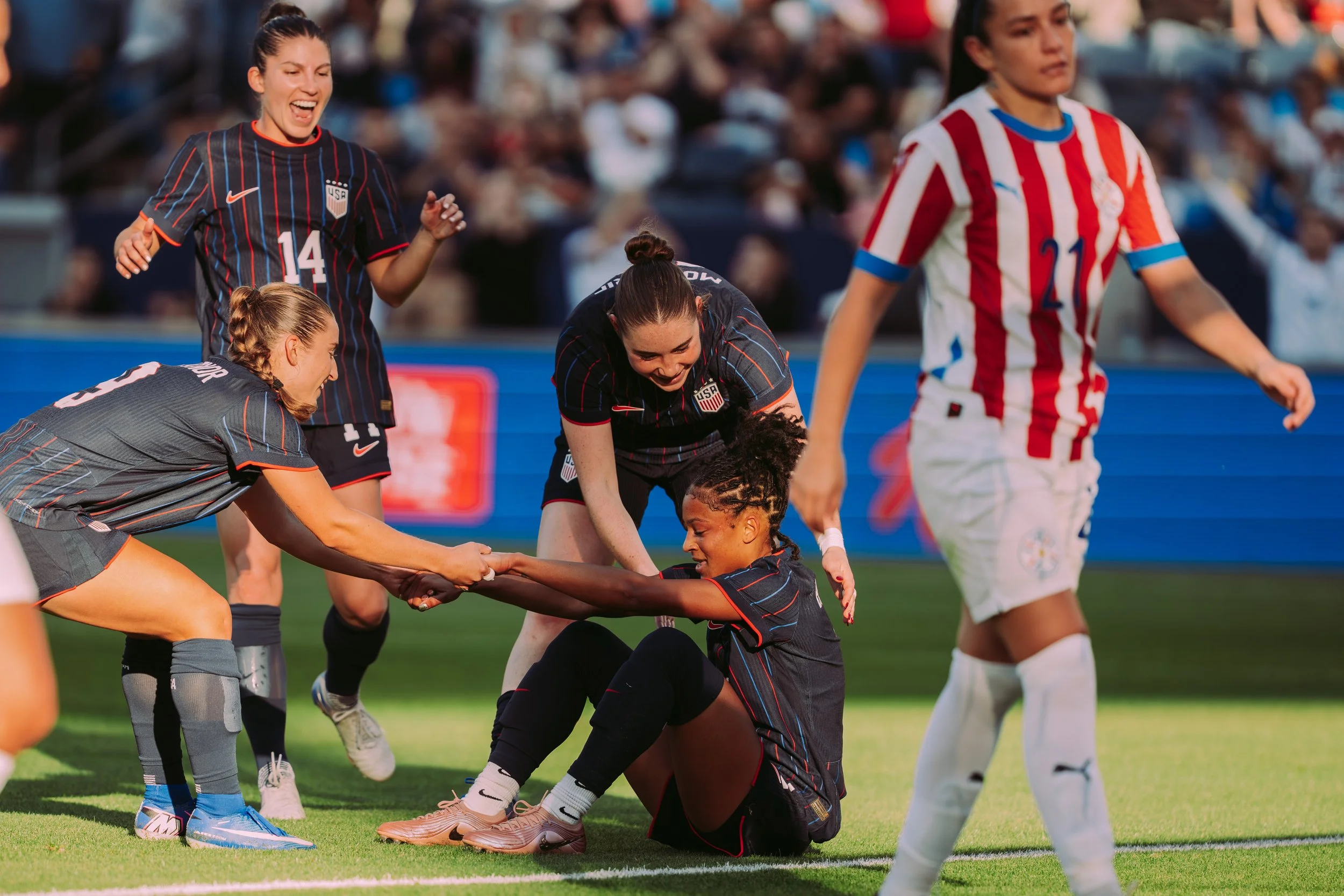
The second half turned the “belonging” theme into something undeniable. Bethune came on at halftime, Sentnor slid into the 9 role, and suddenly the U.S. looked like a team that had found its tempo — quicker decisions, sharper runs, more ruthless finishing. Sentnor made it 2–0 at 47’, and the match tilted from controlled to cruel. At 53’, the third went down as a Paraguay own goal, the kind of moment that comes from sustained pressure and a defense that can’t clear the second ball cleanly. Then Rodman scored at 56’ — the captain stamping her week onto the day — before Sentnor added her second at 57’ to complete the brace. Sears finished it at 72’, the final punch in a half that felt like a wave you could see coming and still couldn’t stop.
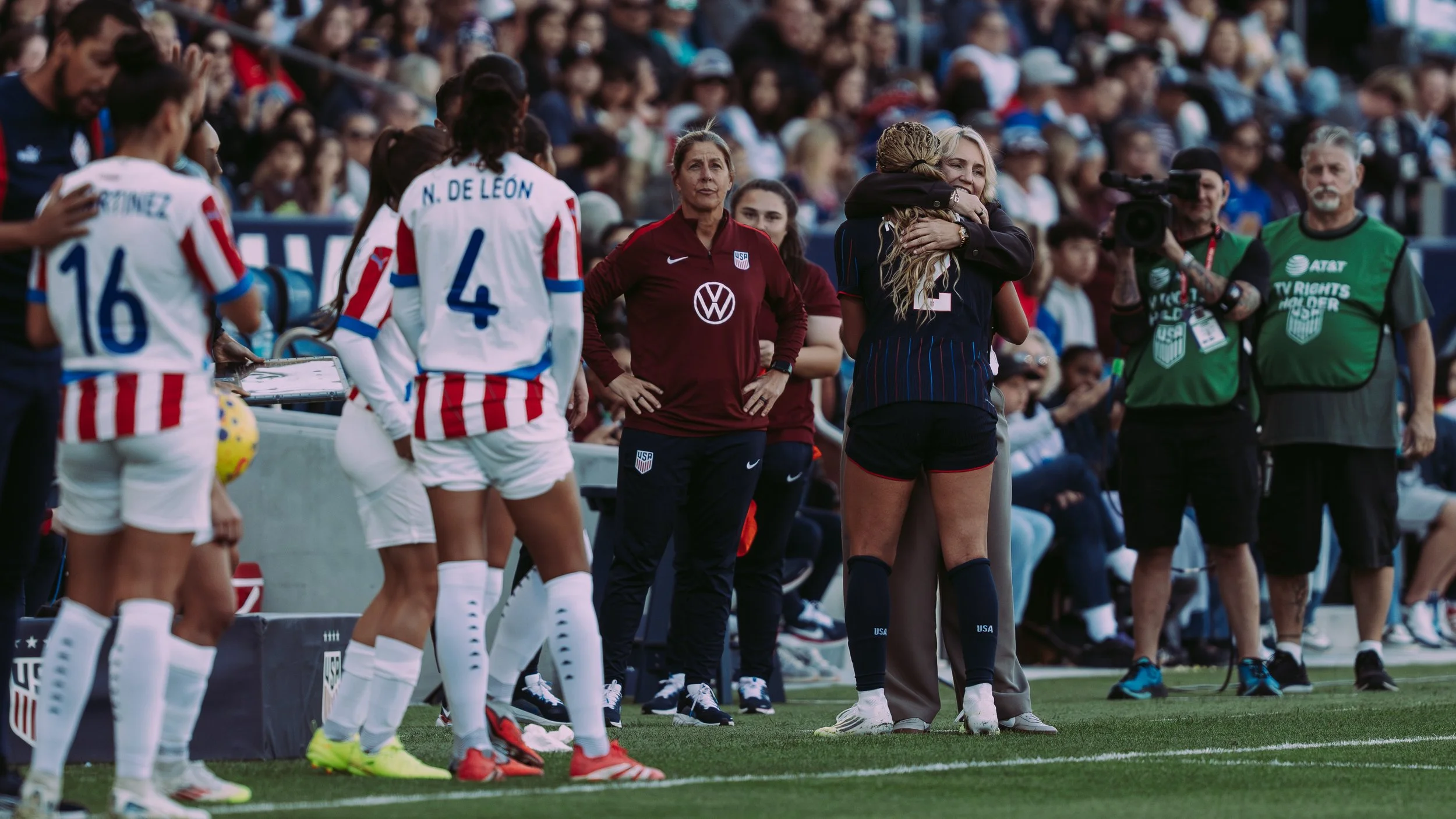
Rodman’s celebration — straight to Hayes, a dance on the sideline — landed because it captured the paradox at the heart of this new era: standards can be ruthless without becoming joyless. The demands can be high without squeezing the personality out of the room. If this was a captaincy test, that was part of the answer too: not just whether Rodman could lead with intensity, but whether she could lead while still being unmistakably herself. https://www.washingtonpost.com/sports/2026/01/24/uswnt-paraguay-trinity-rodman-captain/
And then Hayes made the final point in the most Hayes way possible: she shared the burden. Rodman came off at 63’, and the armband moved to Claire Hutton — another young player being handed responsibility in real minutes, not as a concept. It was a small moment, but it fit the day’s larger message. Belonging isn’t granted by reputation. It’s earned in the moments when the match is moving fast, the roster is unfamiliar, and the team still needs someone to steady it.
Even Paraguay carried a thread that made the afternoon feel bigger than a friendly. Claudia Martínez — one of their brightest young attackers — is set to join Rodman’s Washington Spirit in a reported deal worth $950,000, a number that underlines how quickly the women’s market is changing and how seriously clubs are now willing to invest in the future. https://www.espn.com/soccer/story/_/id/47672271/washington-spirit-sign-paraguay-star-teen-claudia-martinez-olimpia-source
This week was supposed to be about uncertainty—an “unattached” tag, a swirl of projection, speculation about the competitiveness of football in the United States, the limits of how athletes are compensated, and whether Trinity Rodman “deserves” the paycheck she’s now received. Instead, it became about ascent: Rodman meeting the moment, a young striker core showing there’s real ammunition deep in the U.S. pool, and a timely reminder—with the next World Cup on the horizon—that this team still has layers capable of surprising people when it matters most. And the six goals, as stunning as they were, can distract from what actually made the afternoon so instructive: Turner grabbed her debut moment by the scruff, Sentnor turned the 9 into a runway, Bethune proved her value as a pace-altering super-sub, and Rodman made leadership look less like an announcement and more like a default setting. The roster wasn’t complete—and it truly didn’t matter. Names don’t win matches on their own; you still have to take it. That’s the weight on Rodman’s shoulders now, and it’s neither too soon nor too heavy.