





We spent the last week following the U.S. women’s national team up the West Coast, from San Jose to Seattle, and what stayed with us most was not just the football, though there was plenty of that. It was the sense that this version of the USWNT is operating inside something larger now, something more deliberate, more ambitious, and more infrastructural than the old model of simply assembling the best players in the country and asking them to win.
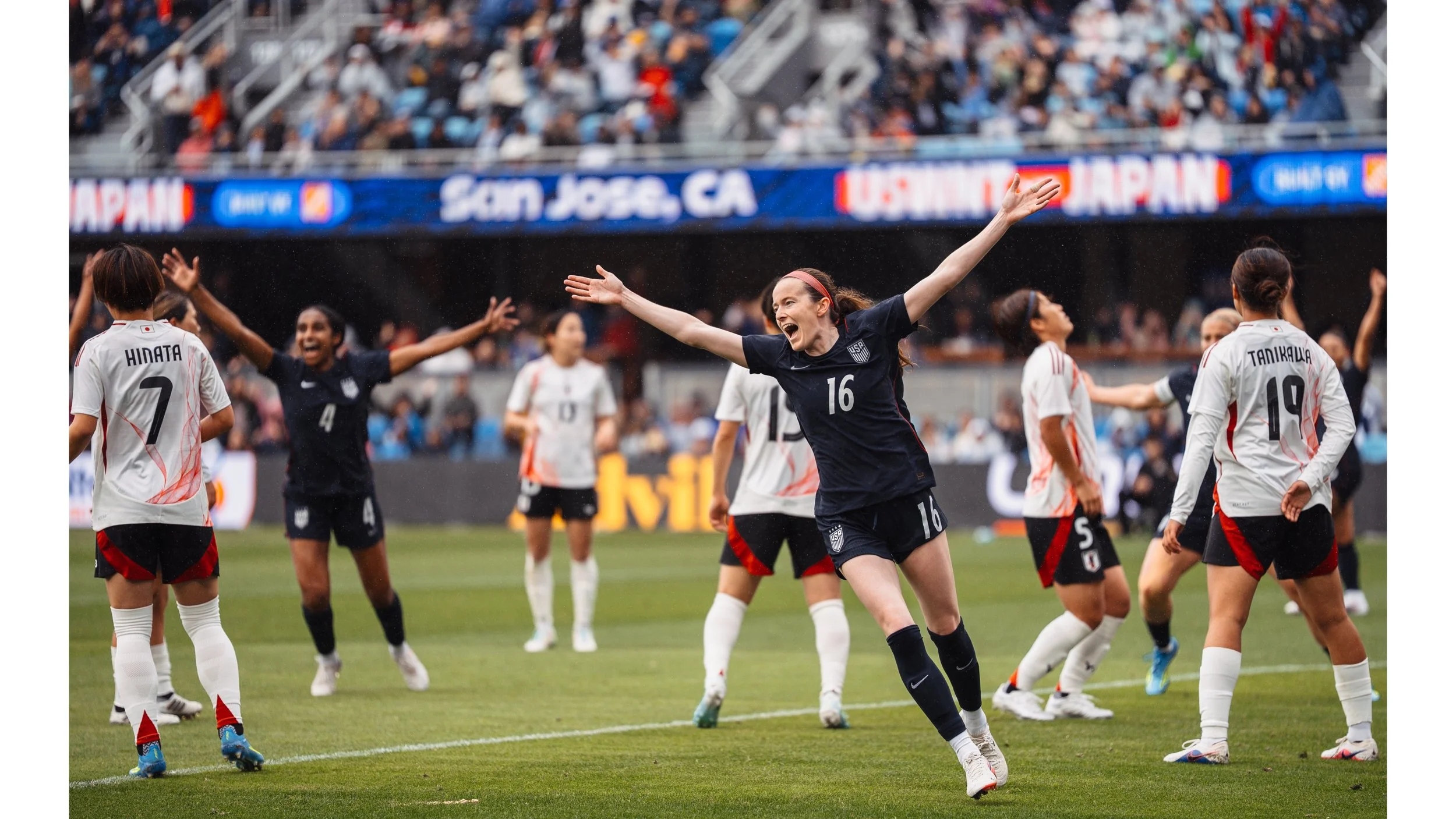
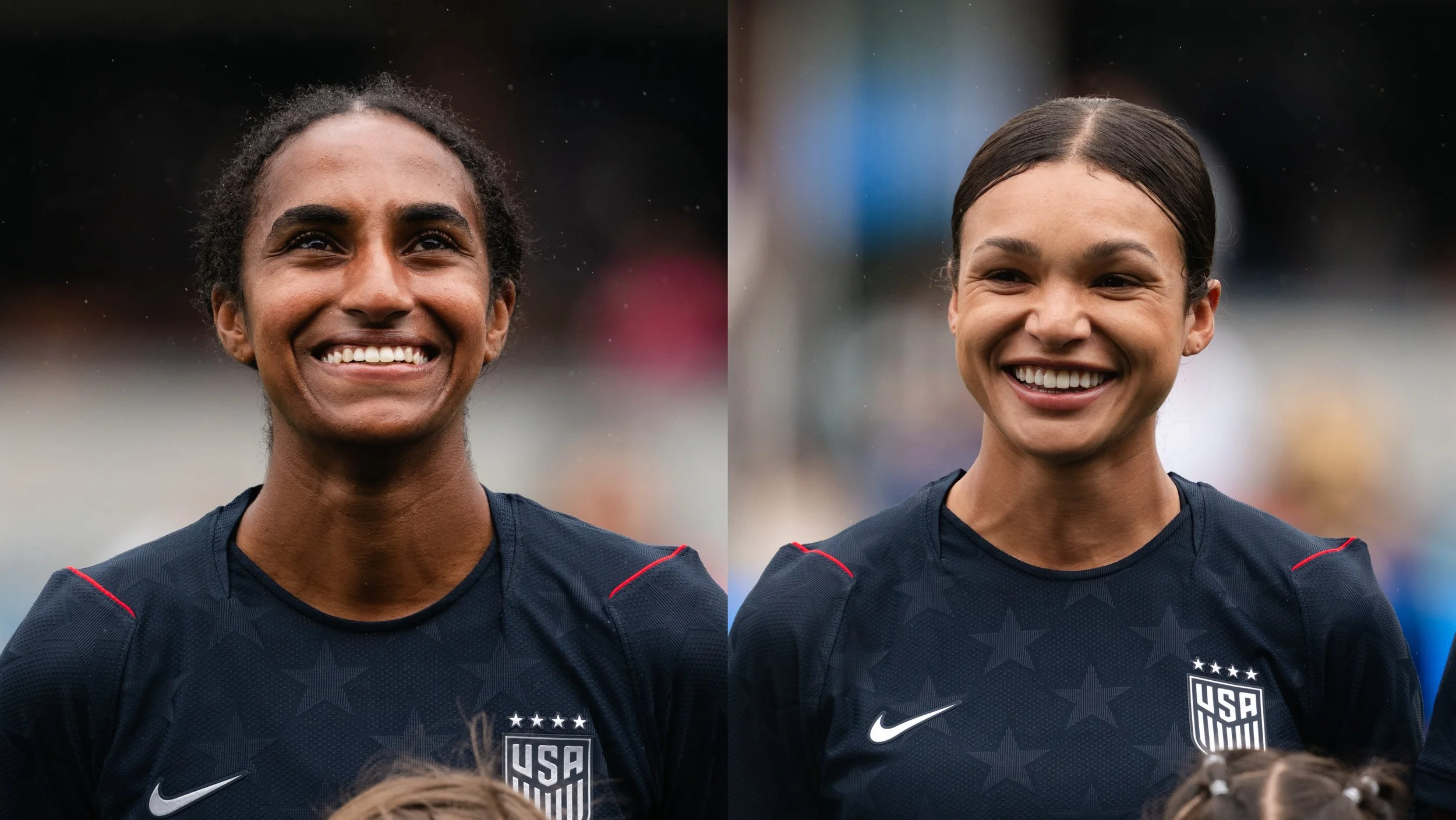
That part still exists, of course. In San Jose, the U.S. opened the series against Japan with a performance that felt familiar in the best possible way: fast, sharp, aggressive, and overwhelming. Rose Lavelle, in her 100th start, scored and assisted in a 2-1 win, Lindsey Heaps added the second, and for long stretches the Americans looked like the superior side in nearly every phase, pressing Japan into mistakes and attacking with the kind of polish that reminds you what this program can still look like when it finds rhythm early. Sophia Wilson’s return to the starting lineup after motherhood added another emotional layer, while the Thompson sisters continued to make history together in a team that increasingly looks like it belongs to two timelines at once — still anchored by veterans, but unmistakably pulling toward the next generation.
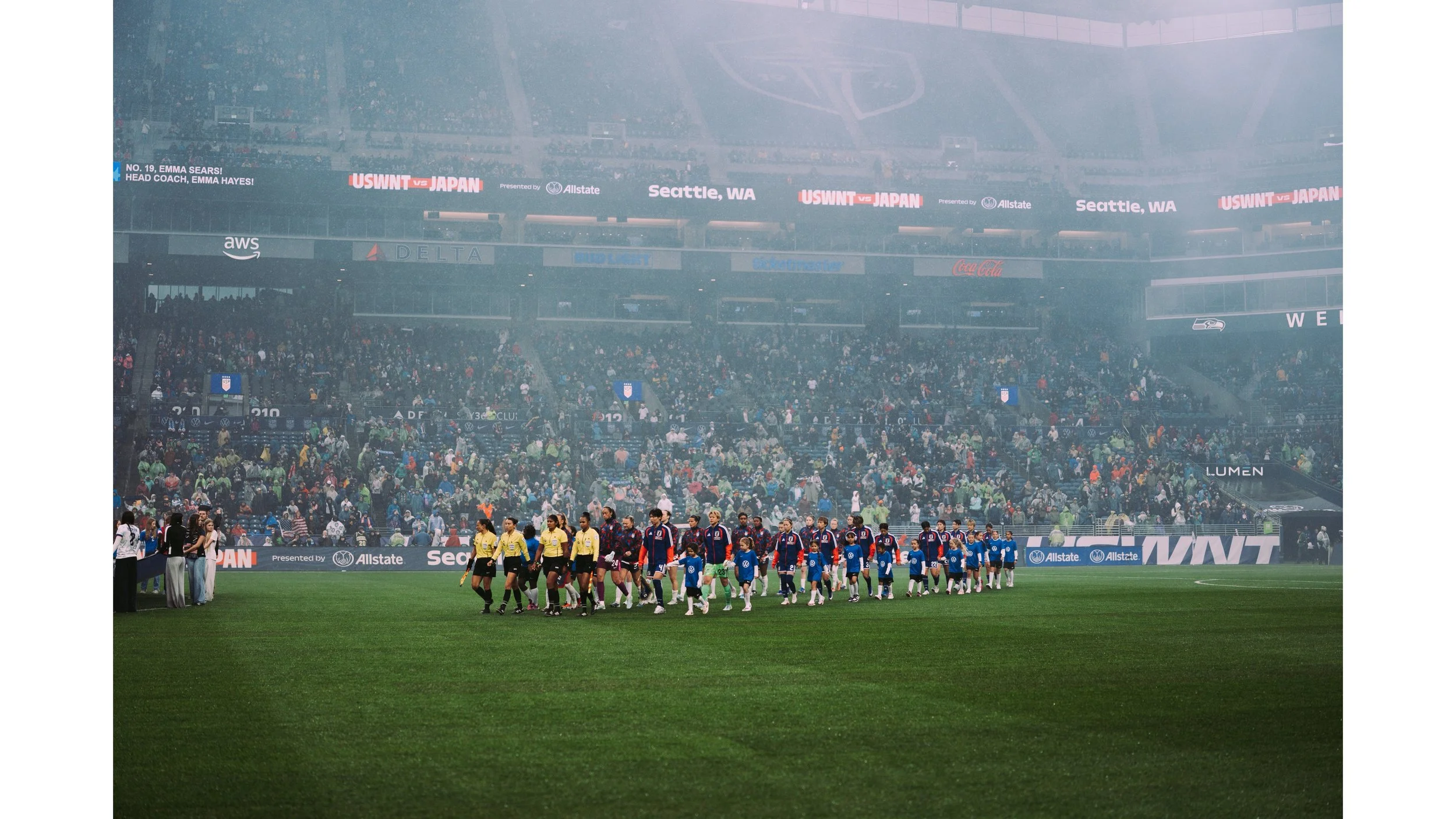
Then the scene shifted to Seattle, and so did the emotional register. The weather turned nasty, the rain never really let up, and the result went the other way. Emma Hayes rolled out an entirely different starting XI, part of her now familiar willingness to use these windows not just to chase wins but to stress-test the full player pool. Japan took the edge in a 1-0 win on a Maika Hamano goal, and while the loss mattered, the setting around it mattered too: 36,128 fans at Lumen Field, the largest crowd ever for a women’s sporting event in Seattle. Even on a night the U.S. lost, the broader point held. The appetite is there. The demand is there. The scale is there.
That was really the through-line of the week. The football was the entry point, but the deeper story was the architecture around it.
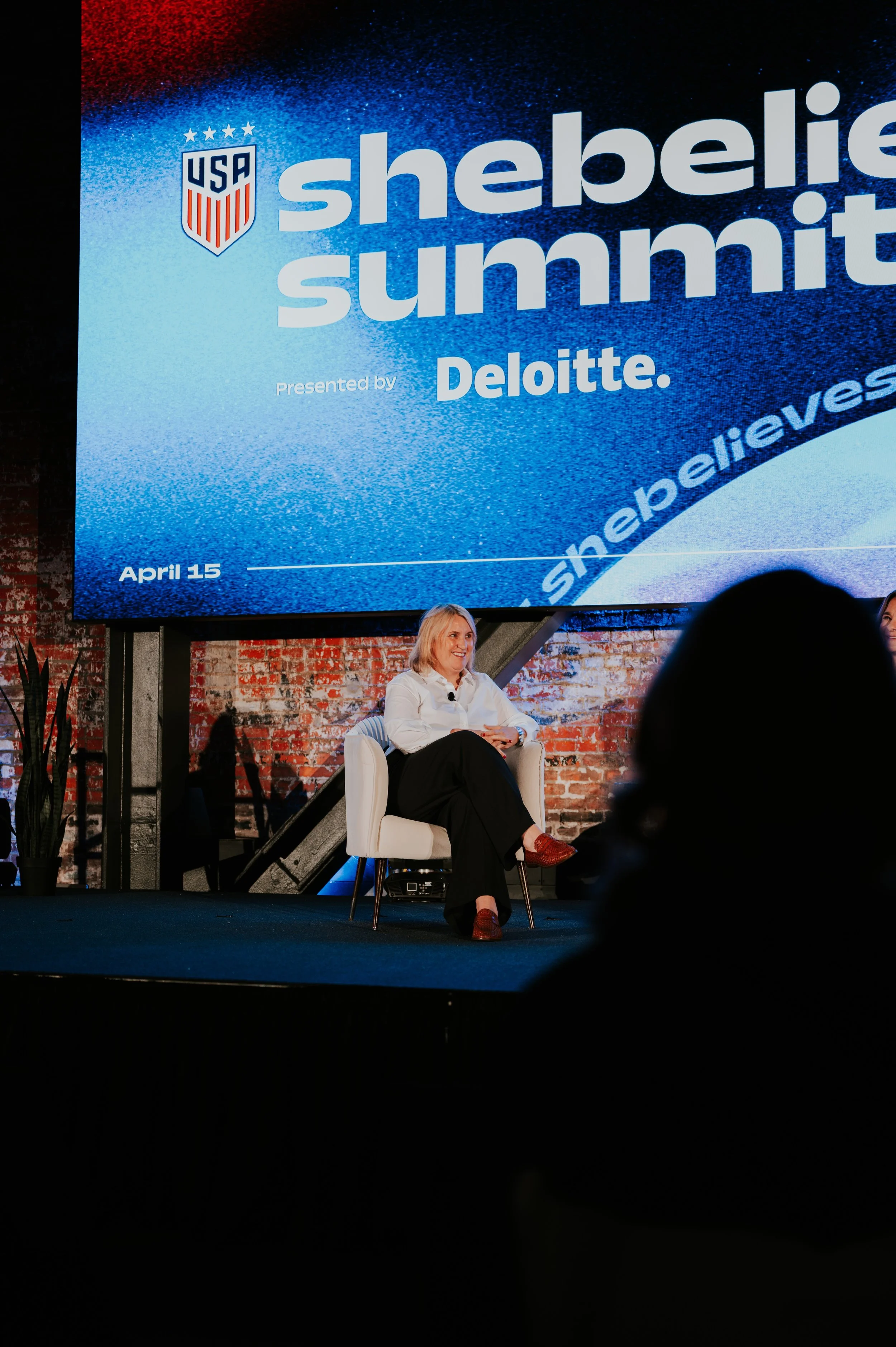
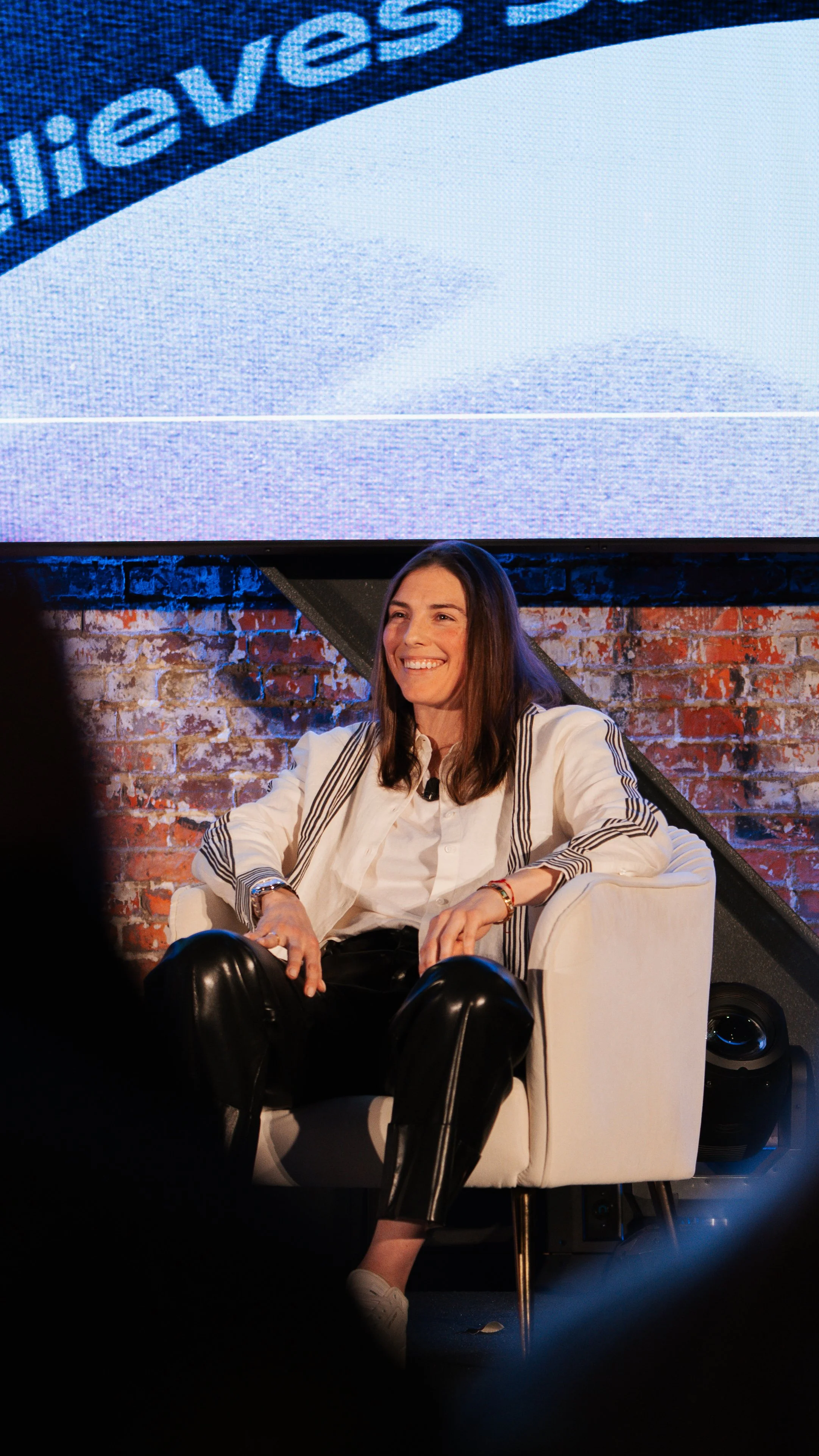
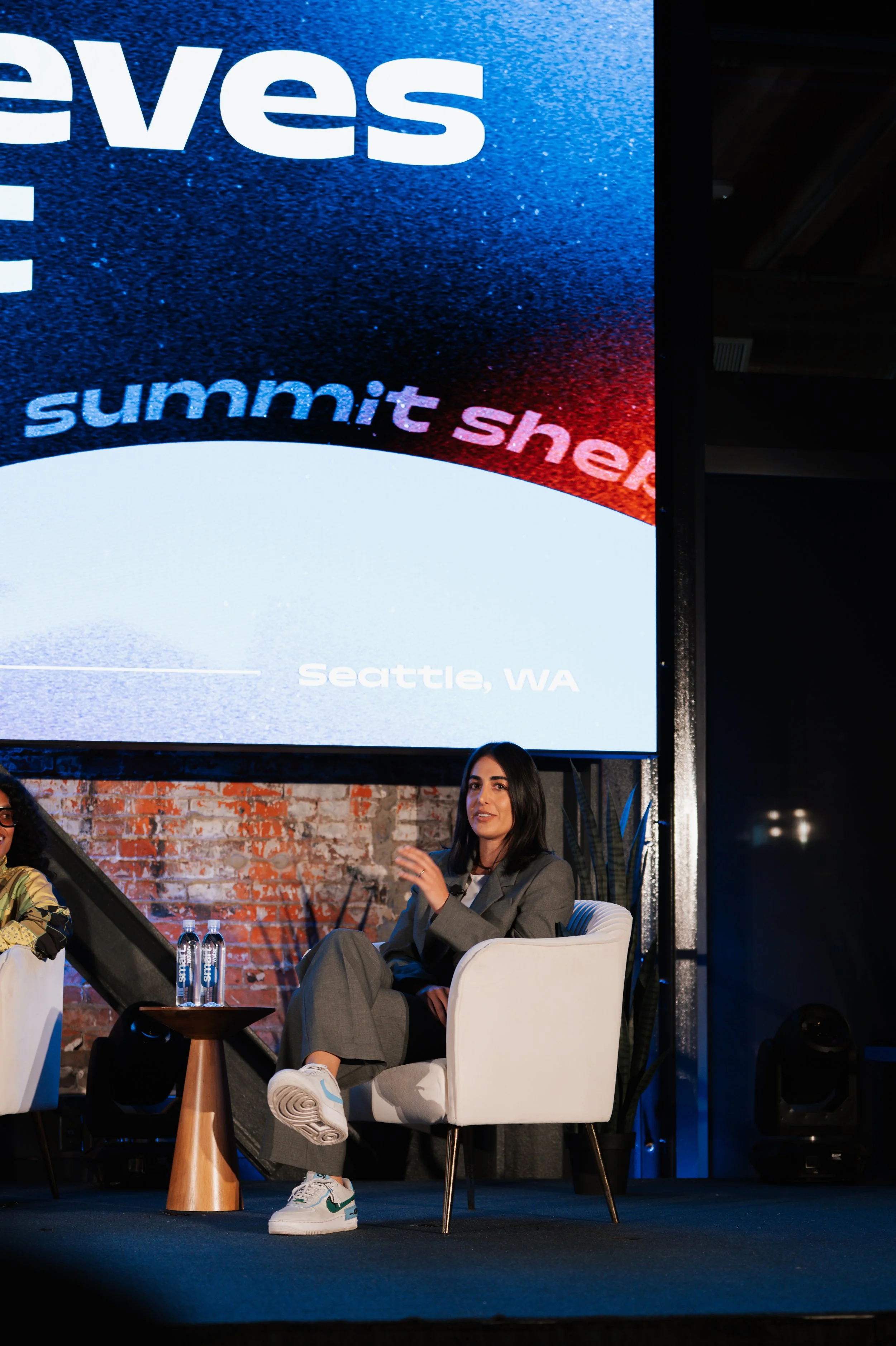
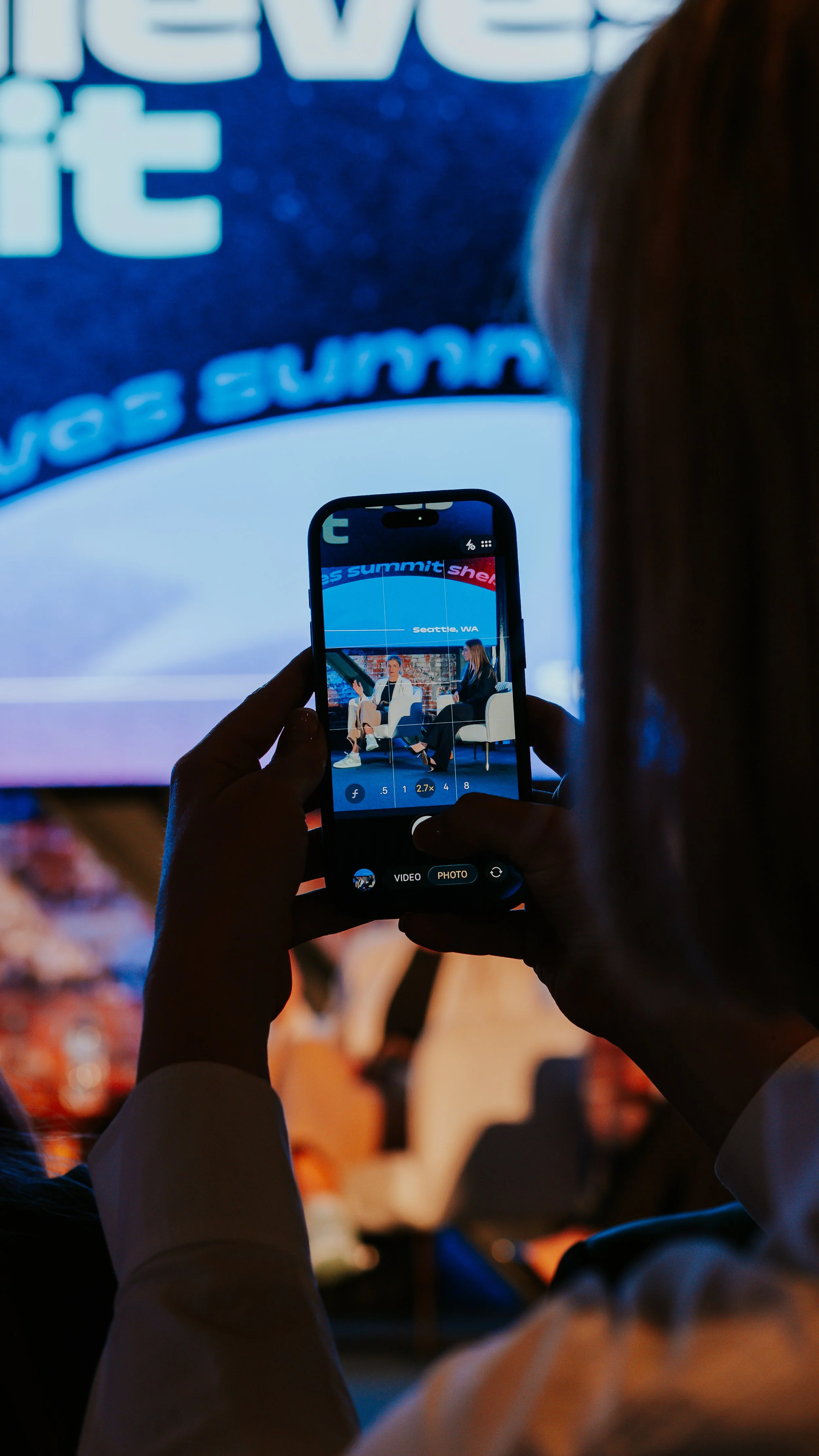
By the time the trip moved into the SheBelieves Summit, it became impossible to ignore what U.S. Soccer is trying to construct around the women’s game. Officially, the summit is a leadership platform designed to connect and inspire the next generation of women leaders. In practice, it felt like something more revealing than that: a live demonstration of how much broader the ambition has become. The event returned bigger this year, sold out, and was built not just around the team, but around the idea that women’s soccer should be a hub for culture, science, leadership, health, and long-term investment. Emma Hayes sat with Melinda French Gates to talk about building systems that actually work for women, and the programming explicitly centered science, support, and standards for the female athlete, including the role of the Kang Women’s Institute in pushing women-specific research and performance innovation forward.
And that is where the trip stopped feeling like a simple national team road swing and started feeling like a window into a philosophy.
Cindy Parlow Cone opened the summit with a message about confidence and leadership—not as something rooted in certainty, but something forged in the presence of doubt—and that idea lingered as Emma Hayes pulled the lens wider, reflecting on her own upbringing in London inside a system designed to suppress girls in football, and how watching the U.S. teams of the late 1990s reshaped what she believed was even possible. It’s a perspective she’s been developing into something more intentional—a “female lens” on the game—but hearing it echoed across the room gave it a different kind of weight, especially as Melinda French Gates pushed the conversation beyond sport and into women’s health, into the reality that women still spend too much of their lives navigating systems built on male defaults. Taken together, the throughline sharpened: if women’s soccer is going to keep growing, it can’t simply inherit existing structures and hope they adapt—it has to build new ones, deliberately, from the ground up.
That’s why some of the most memorable moments of the week were not goals at all. They were the moments where the sport was being discussed as an ecosystem. How women train. How they recover. How they are photographed. How girls stay in the game. Why women coaches are disappearing. How young boys and girls alike can be taught to see women athletes as the standard, not the exception. The most powerful thing about this camp may have been the sense that the USWNT is trying to lead not just by winning, but by modeling what the future of the women’s game could look like if the sport finally stopped treating women as an adaptation of the men’s version and started building from women outward instead.
And yet the football still matters, because it is the proof of concept. Japan arrived as Asian champions after a dominant tournament run, and over the course of this three-game set the rivalry delivered exactly what a serious measuring stick should. San Jose was a reminder of the U.S. ceiling. Seattle was a reminder that the player pool is still in motion, still being shaped, still vulnerable when the chemistry changes. And the 3-0 response in Colorado, with goals from Naomi Girma, Lavelle, and Kennedy Wesley, offered a final reminder that Hayes is not just collecting talent but building answers. The series ended with the U.S. looking not finished, but formidable in a more layered way than before.
That is what made the trip feel significant.
From San Jose to Seattle, the USWNT looked like more than a national team. It looked like a platform. A testing ground. A cultural engine. The old power of the badge is still there, but now it is being paired with something more modern and, frankly, more important: an all-in attempt to build lasting infrastructure around women’s soccer at every level.
The matches gave us goals, swings, and storylines. The week gave us something bigger — a look at what it means when women’s soccer is no longer asking for belief, but building the systems to sustain it.