US Soccer is due, can this be the moment?
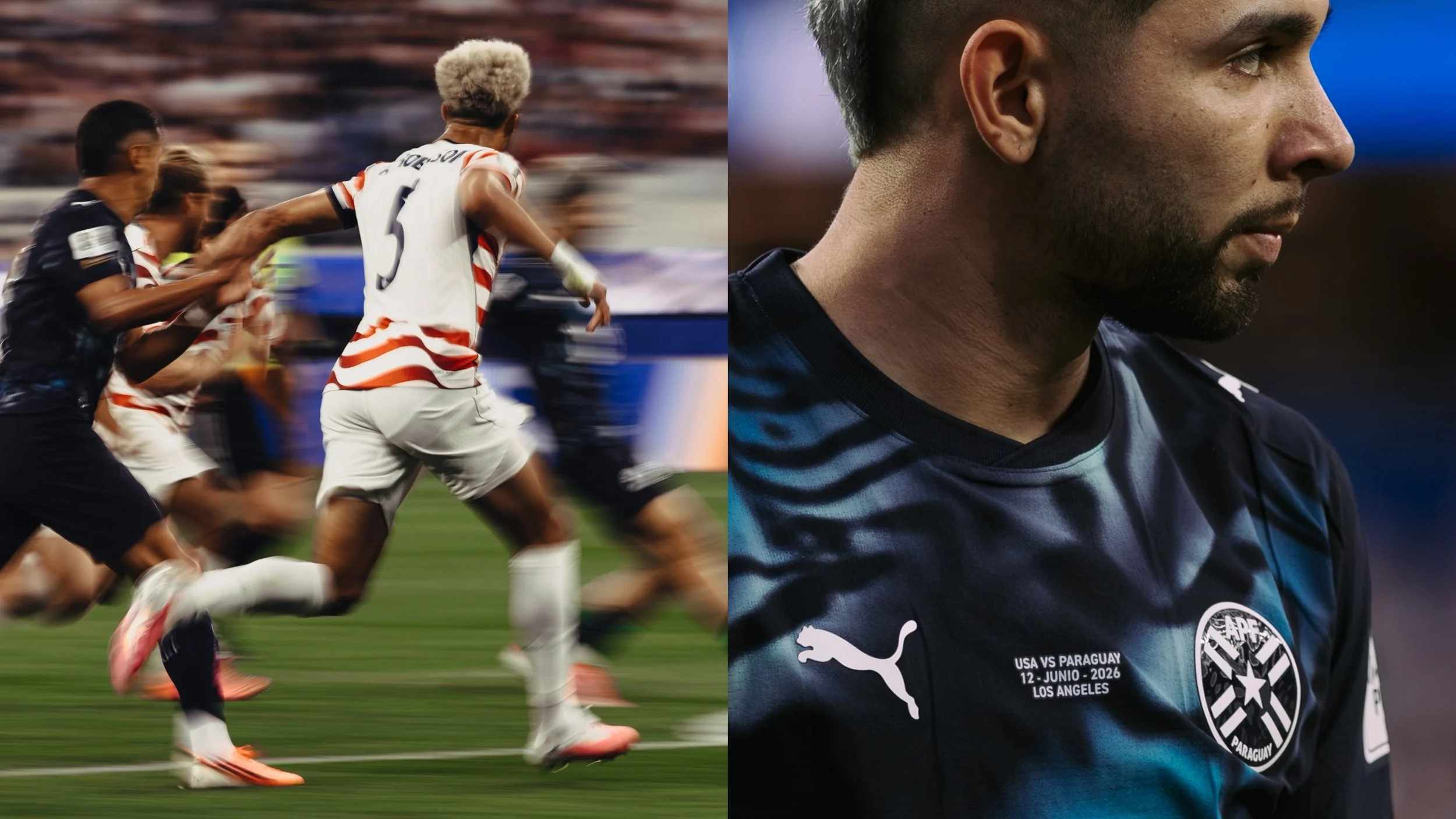
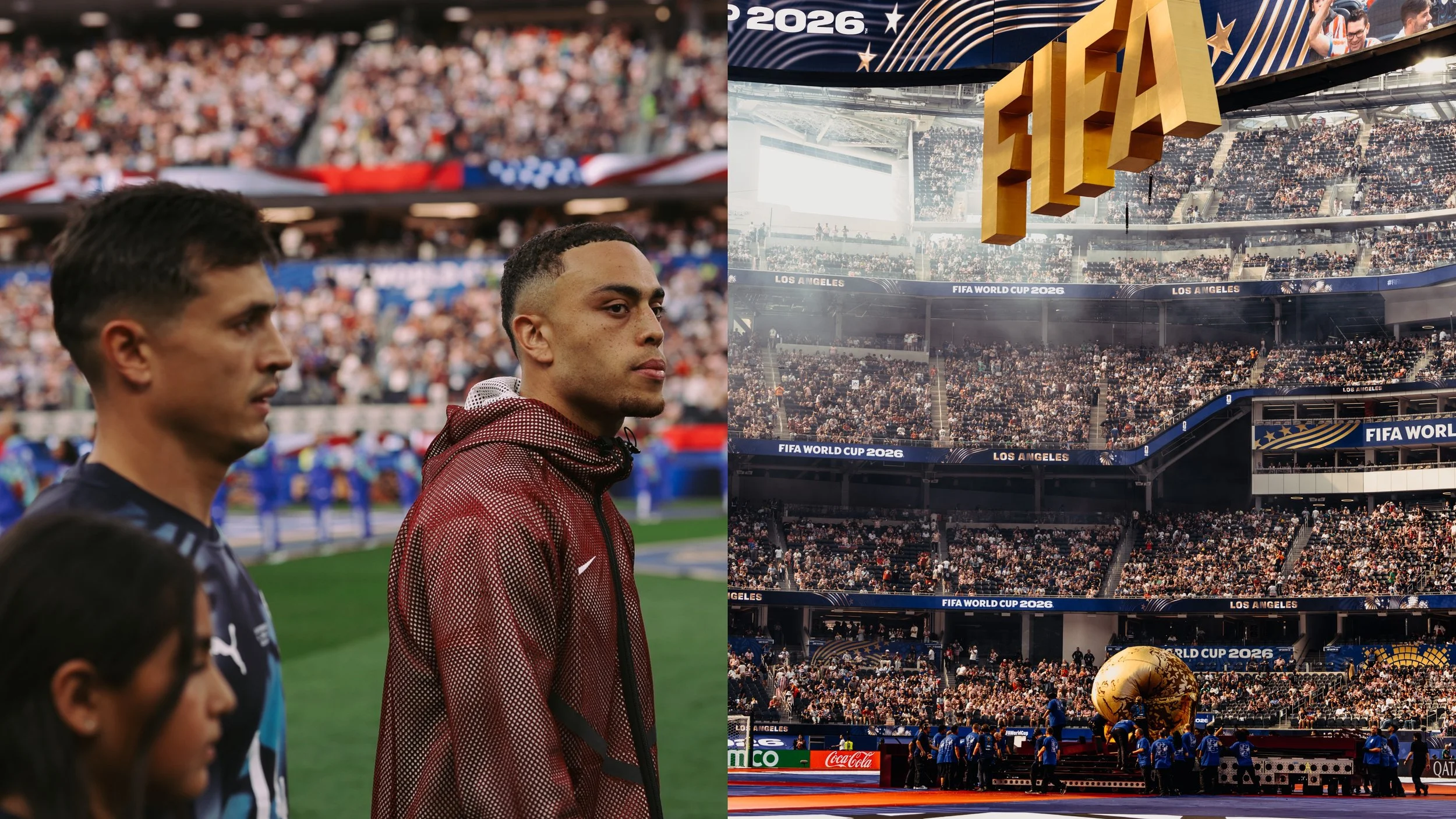
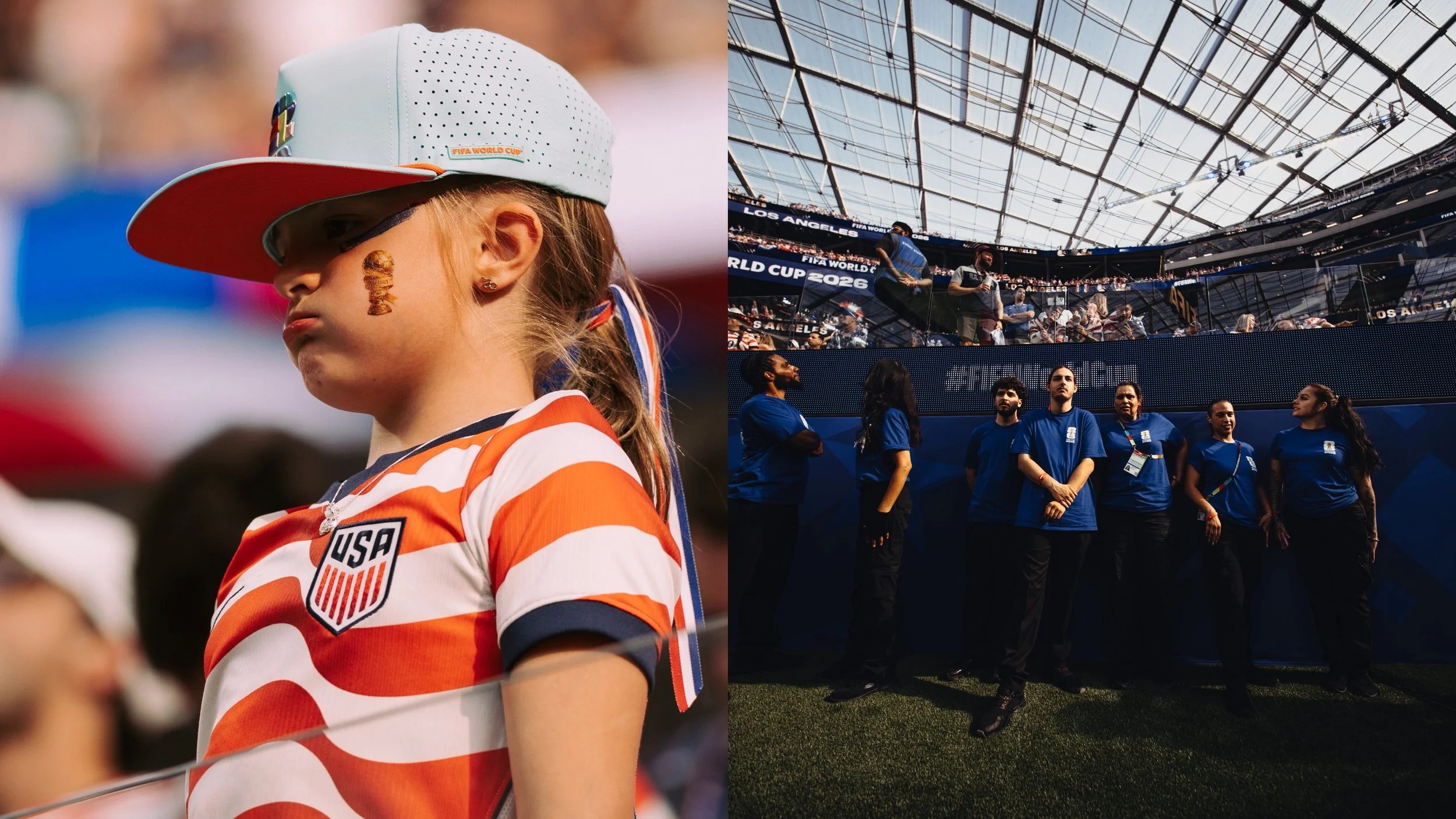
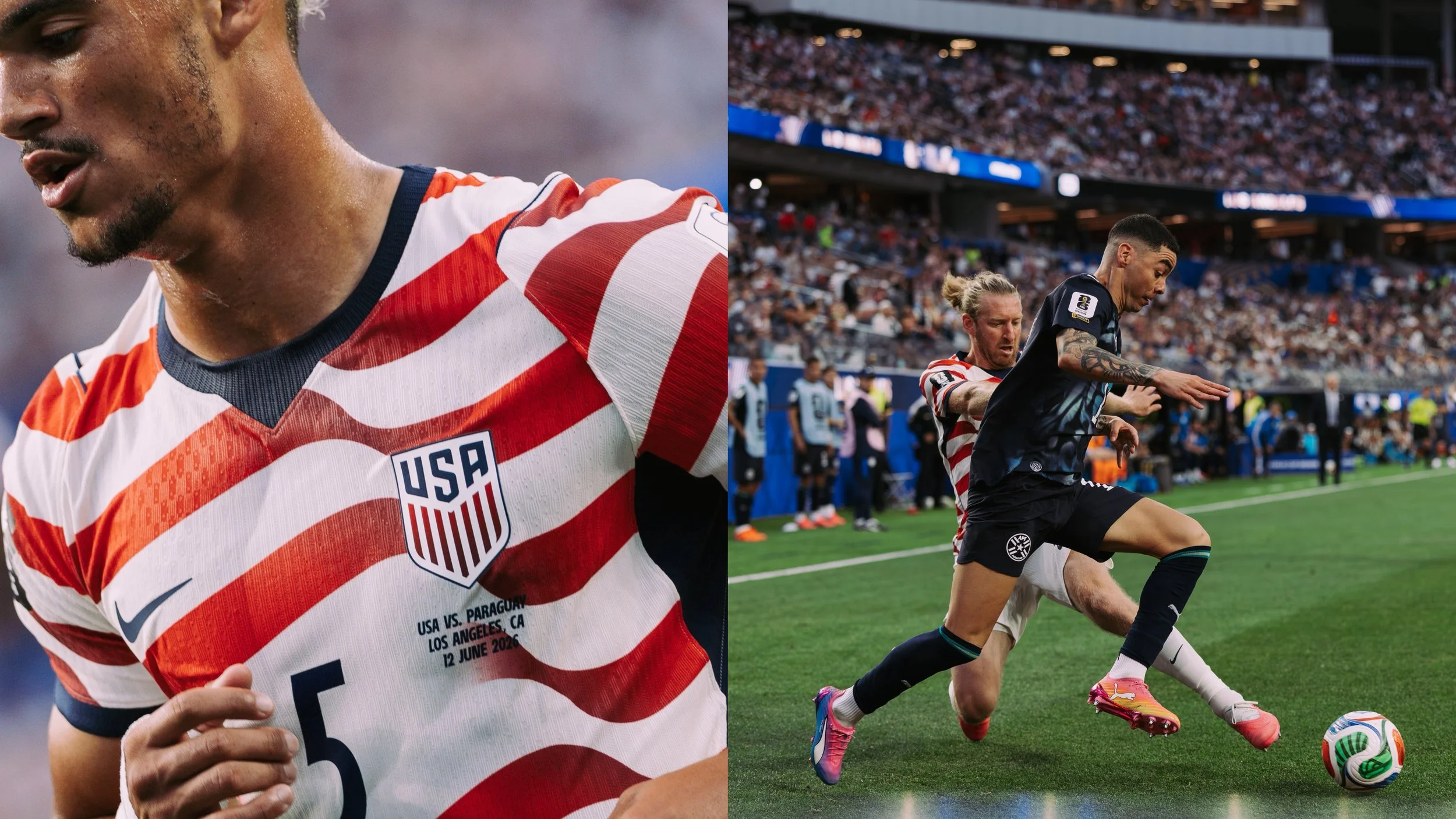
In full transparency, I am going to have to divest myself of journalistic objectivity to piece together my thoughts for this article. In further transparency, as a fervent supporter of the US women's national team and someone who has spent the better part of the last several years covering women's sports, this post may seem totally out of place with much of my previous writing.
Just give me a chance to make my case.
In all of my years covering women's sports, I have had the opportunity to be in the stadium or venue for some truly iconic moments. Under the Parisian lights beside the Eiffel Tower during the Olympics. Inside the shaking atmosphere of a packed stadium as Italy defeated the United States. There for Gotham FC taking the throne in a thrilling championship at Snapdragon Stadium. The list goes on and on.
Every one of those moments was memorable not simply because of the result, but because of the stories and emotions they created. The feeling of witnessing something larger than a game. The sense that you are watching a moment that will remain significant long after the final whistle has faded into memory.
But even with all of those experiences, I do not think I am being hyperbolic when I say that what I witnessed in person at “Los Angeles Stadium” on Friday, June 12th, 2026 was one of the most important moments in American soccer history.
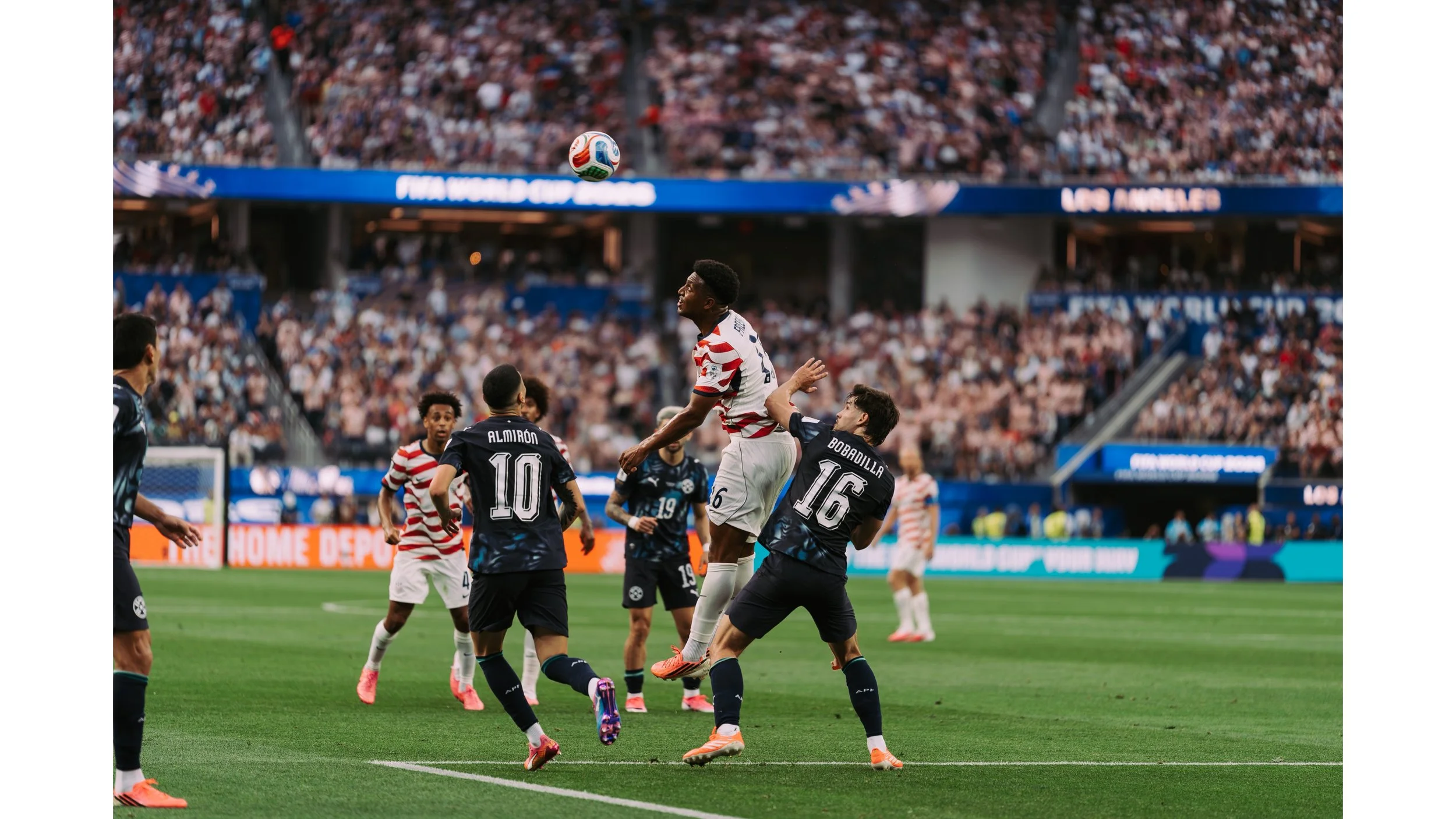
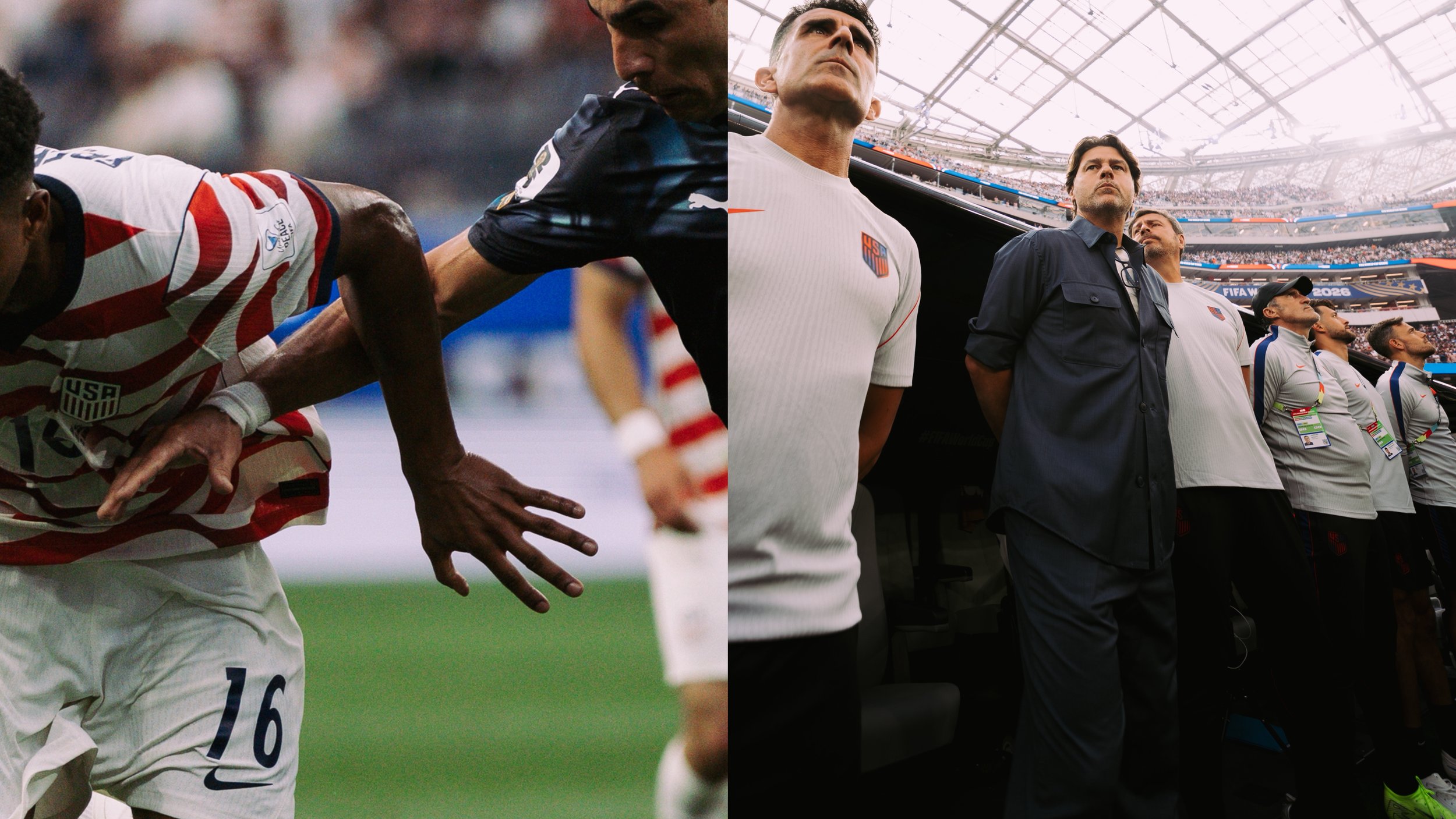
On the surface, a matchup pitting the United States men's national team against Paraguay in the opening match of the 2026 FIFA World Cup on American soil should have been exactly what most pundits predicted beforehand: a tense, cautious affair where the United States hoped to avoid dropping points and damaging the momentum of the tournament before it had truly begun.
Instead, what we got was something else altogether.
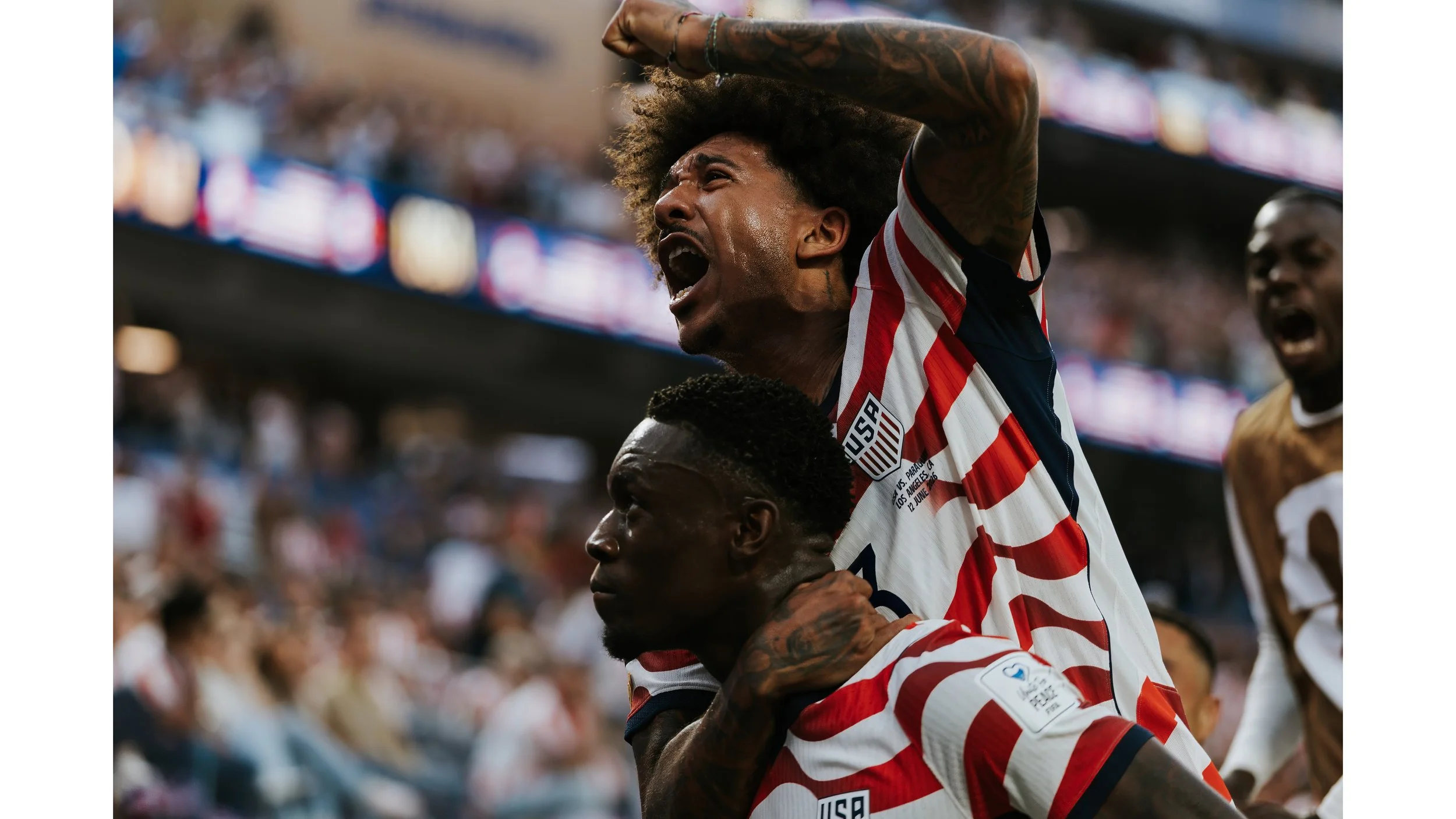
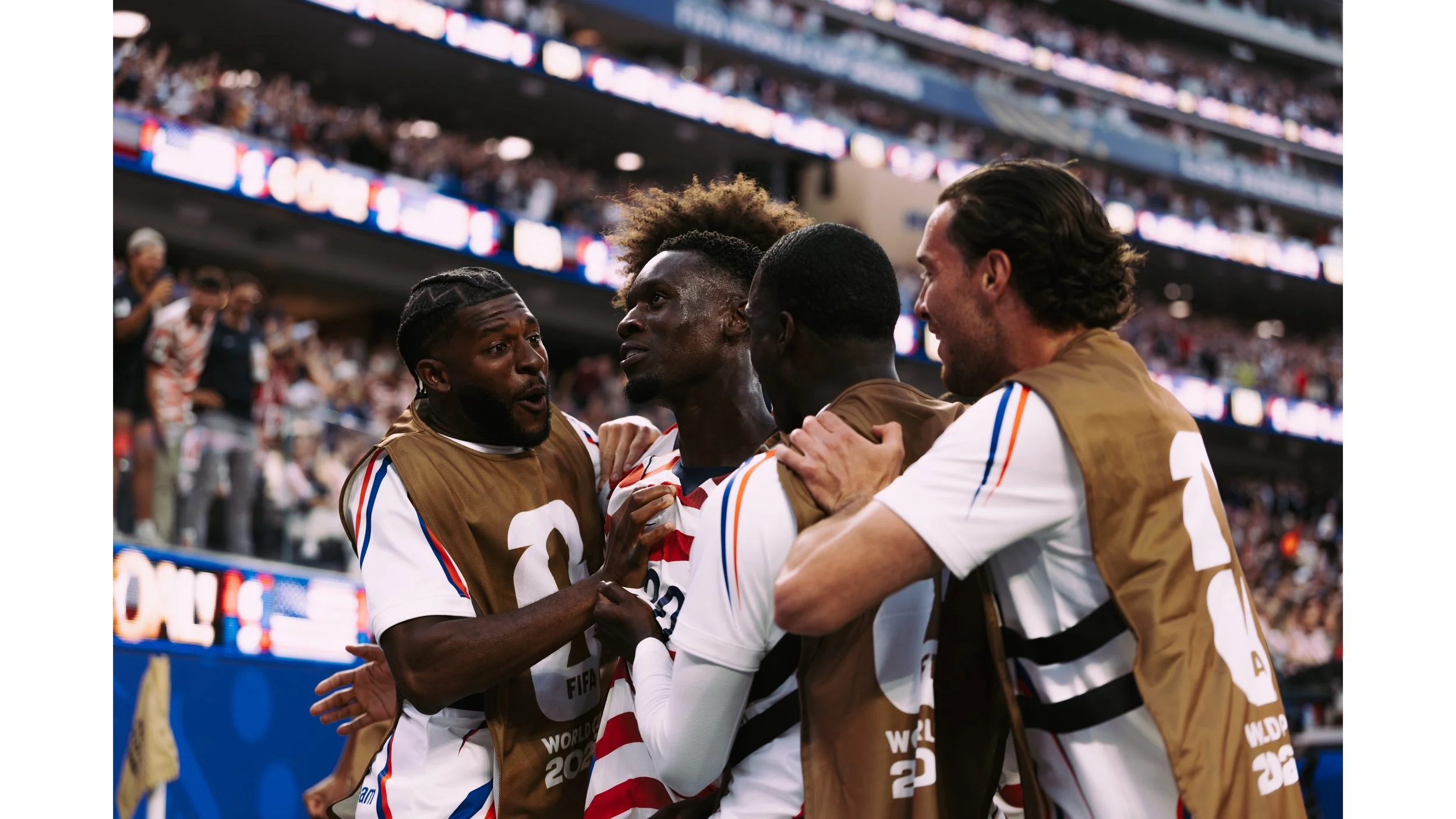
If you are looking for my match analysis, this probably is not the article for you. The U.S. men were brilliant, inspired, and utterly deserving of the 4-1 result. Balogun's two goals were world class. Gio Reyna's trivela was the sort of goal that instantly enters soccer folklore, the kind of strike that will be replayed endlessly and recreated by kids in parks and backyards for years to come. Those moments deserve their flowers, but they are not what I have found myself thinking about most in the days since.
Instead, what I am more interested in is the emotional high that this game has created for American soccer. The mark of this moment is in the incredible unity, inspiration, and euphoric pride that has possessed all corners of American sports discourse. A feeling that, if we are being honest, felt almost as unlikely as the performance itself. American soccer desperately needed this moment, not just the men's national team, not just U.S. Soccer, but the sport itself here in the United States.
For much of the last decade, American soccer has felt trapped in a conversation about what it was not. The women became the benchmark for excellence, producing iconic athletes and some of the most important sporting moments in the country's modern history. The men, meanwhile, carried the weight of expectation, forever measured against the promise of what American soccer could someday become rather than what it currently was. That expectation of course being dashed to pieces over and over again.Neither reality was particularly healthy if we are completely honest with ourselves, and created a strange division that seemed to be getting deeper and deeper.
The women often found themselves having to justify their place within the broader sports landscape despite consistent excellence. The men found themselves scrutinized through the lens of disappointment whenever they fell short of impossible expectations. Entire generations of fans became accustomed to discussing American soccer through comparison rather than celebration. Somewhere along the way, supporting American soccer became intertwined with debating American soccer. Instead of being a nation united fervently for our sport in both women’s and men’s context we were divided.
Friday night felt different.
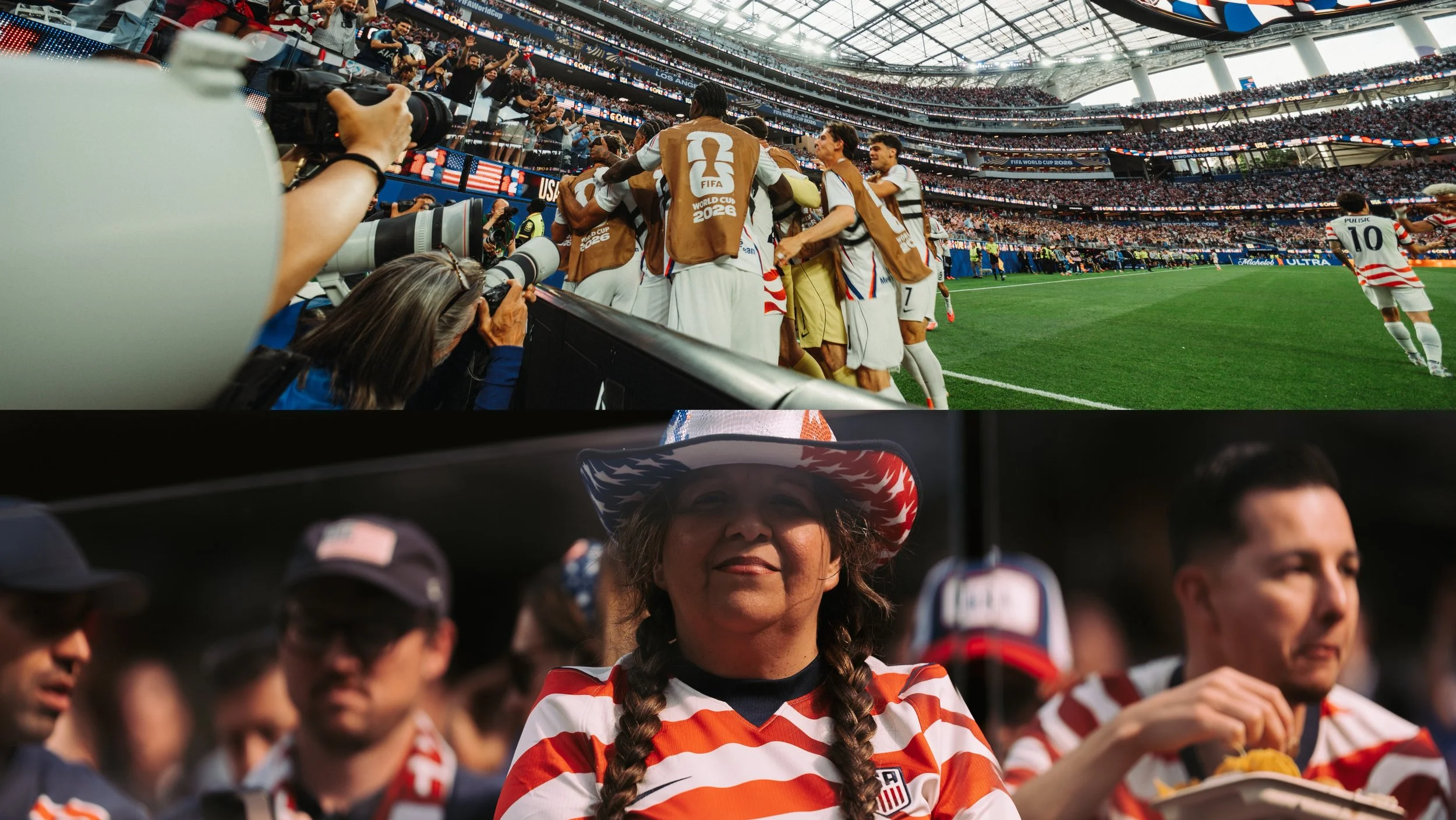
Walking into the stadium before kickoff, there was buzzing excitement, but there was also tension. The atmosphere carried the burden of a tournament that many have called the most important opportunity in the history of the sport in this country. For years we have talked about what another World Cup on American soil could mean. We have discussed participation numbers, television audiences, youth development pathways, infrastructure investments, sponsorship opportunities, and cultural relevance. We have spent years talking about potential. Then, for ninety minutes, potential became reality. With every goal, the energy inside the stadium changed. The nervous anticipation that had defined the opening minutes slowly gave way to belief. Then excitement. Then something closer to collective euphoria. By the time Reyna bent his effort into the corner and the stadium erupted for a fourth time, the crowd was no longer celebrating a result. It was celebrating a transcendence, an evolution, a hope, a joy. That joy is difficult to quantify, but anyone in the building could feel it.
Sports, at their best, create a shared sense of optimism and togetherness. They allow people to imagine a future that feels larger and more exciting than the present and the realities they face. That feeling is often fleeting, but when it arrives, it can fundamentally alter the trajectory of a team, a league, or even an entire nation.
What happened on Friday felt like one of those moments.
As someone who spends most of my time covering women's sports, I left the stadium convinced that the significance of this result extends far beyond the men's national team. Growth in sport has rarely been a zero-sum equation. The rise of the women's national team helped elevate soccer's profile in the United States. The growth of MLS created infrastructure that benefited the game as a whole. The recent explosion of interest and coverage in the NWSL has introduced entirely new audiences to soccer. Every meaningful breakthrough has expanded the tent for the good of the game.
That is why I view Friday not as a victory for the men's game, but as a victory for American soccer as a whole.
If this World Cup captures the imagination of the country, more people will watch soccer. More girls and boys will play soccer. More media companies will invest in soccer. More sponsors will support soccer. Some of those fans will gravitate toward the men’s game. Others will discover the women's game. Many will embrace both. The important thing is that they enter the ecosystem and engage in a fandom of the US soccer experience.
The healthiest version of American soccer has never been one where one side succeeds while the other struggles. It is one where both programs push each other forward, where success creates momentum instead of division, and where fans feel invested in the sport itself rather than choosing sides within it. That may sound idealistic, but standing inside that stadium on Friday night, it felt tangible.
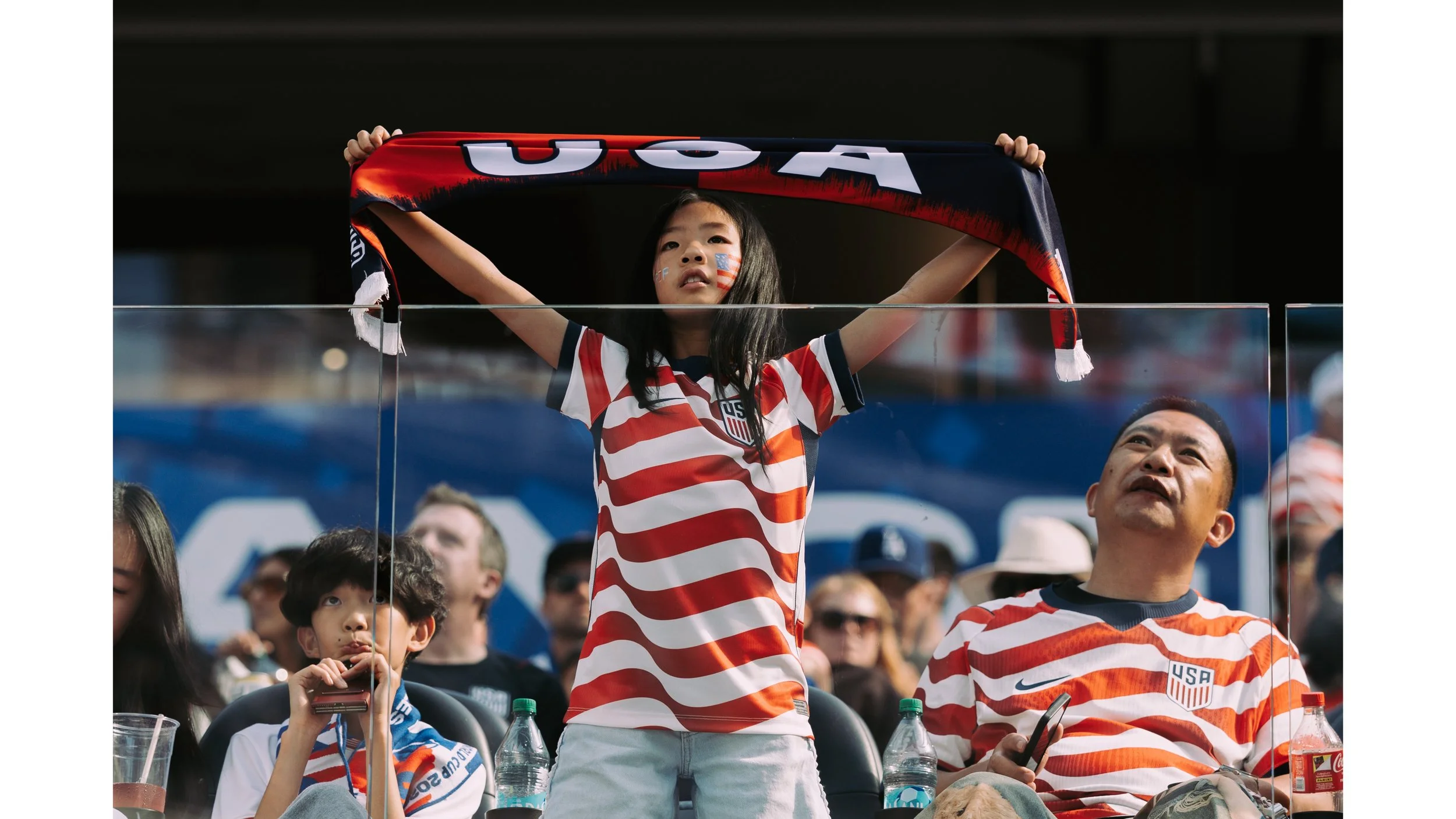
As I walked out into the Los Angeles night alongside tens of thousands of other fans, I noticed something that would have seemed unusual only a few years ago. Nobody was talking about whether soccer could ever matter in America. Nobody was debating television ratings or participation trends or federation politics. Nobody was arguing about whether the men's program deserved attention or whether the women's program deserved more. They were simply joyously singing and chanting USA, USA, USA in total collective euphoria. Talking about the goals they had just witnessed. Talking about what might happen next. Talking about the possibility that this team could make a run. Talking about the feeling of being part of one of the greatest sporting moments ever in the US.
For one night, at least, American soccer felt united. For one night, the sport stopped defending itself and simply existed as a source of joy. The United States needed that feeling.